Restorative & cosmetic
You see the result before a tooth is touched.
A mock-up is made first and it goes on your own teeth, as a trial. Nothing is cut until you have accepted the plan in your own mouth.
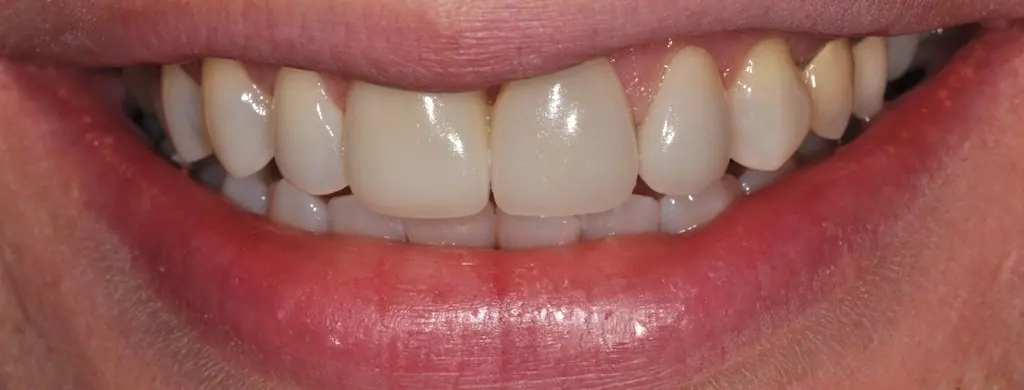 Veneer work at the clinic
Porcelain veneer, per tooth
PKR 60,000
Consultation and X-ray is PKR 3,500 before it.
What they are
Thin shells of porcelain, and not a disposable one.
Veneers are thin shells of porcelain bonded to the front surface of the teeth to enhance their appearance. You can compare it to a false nail, the biggest difference being that a false nail is disposable and a veneer is not.
Ceramic veneers are the most aesthetic restoration in dentistry, and done correctly they can change a patient’s life. They also need far less preparation of the tooth than a crown does. What they need instead is meticulous planning, which is what the six steps below are.
What happened to his teeth
27 seconds, English subtitles.
The method
Nothing is cut until step four.
- 01
Consultation, impression, photographs
The mouth and the teeth are examined, an impression is taken, and photographs are made in several poses.
- 02
A mock-up is made
Built on the models and the photographs, then shown to you at the next visit.
- 03
The mock-up goes on your own teeth
Transferred to your teeth for a trial only. Nothing is cut at this step, and this is the one the headline is about.
- 04
Minimal preparation
Once you have accepted the plan, the teeth are minimally prepared, based on that mock-up, not on a guess.
- 05
Impression, then the laboratory
A final impression is taken and the case goes to the laboratory.
- 06
Try-in, fixing, then a review
You accept them at try-in. Fixing is a tedious and laborious process, the bite is checked, and you are seen again at one week.
Step three is the one that matters: the mock-up is transferred to your own teeth, for a trial. You approve the result in your own mouth, not on a model.
The facts of it
- Bonded to
- The enamel on the front surface of the tooth.
- Compared with a crown
- Very little tooth is removed, enough to expose the inner surface of the enamel.
- Made by
- A dental laboratory, from an impression taken after you accept the mock-up.
- Reviewed at
- One week after fixing, with the bite checked.
Monday-Thursday & Saturday · 4:00-8:00 PM
One patient
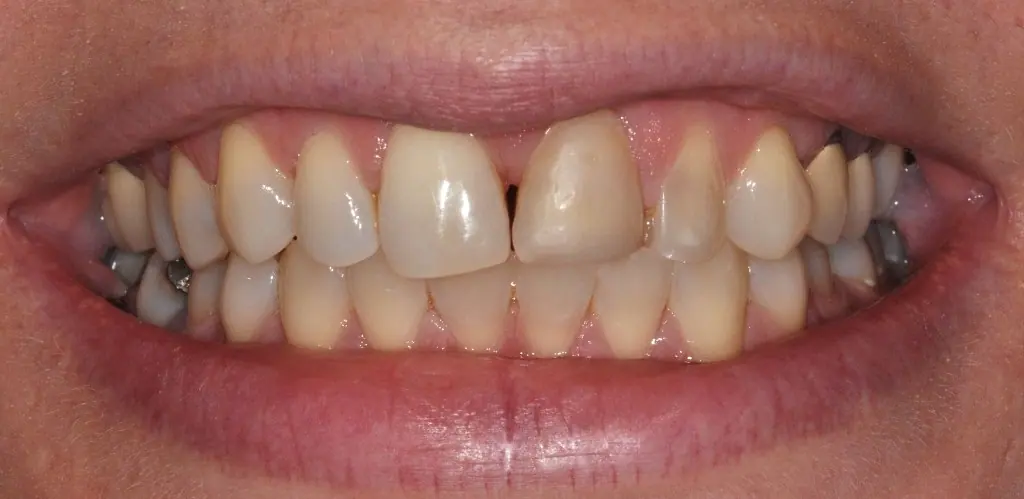
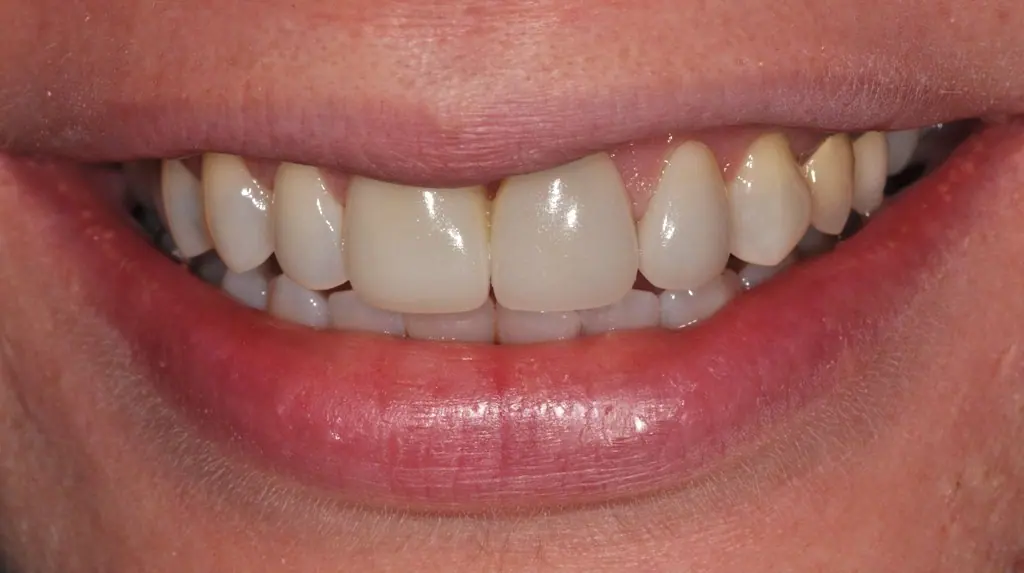
Both front teeth broke in a road accident.
He was on his way to the gym and was hit by a car. The teeth were filled at the time and veneered later. No root canal was needed.
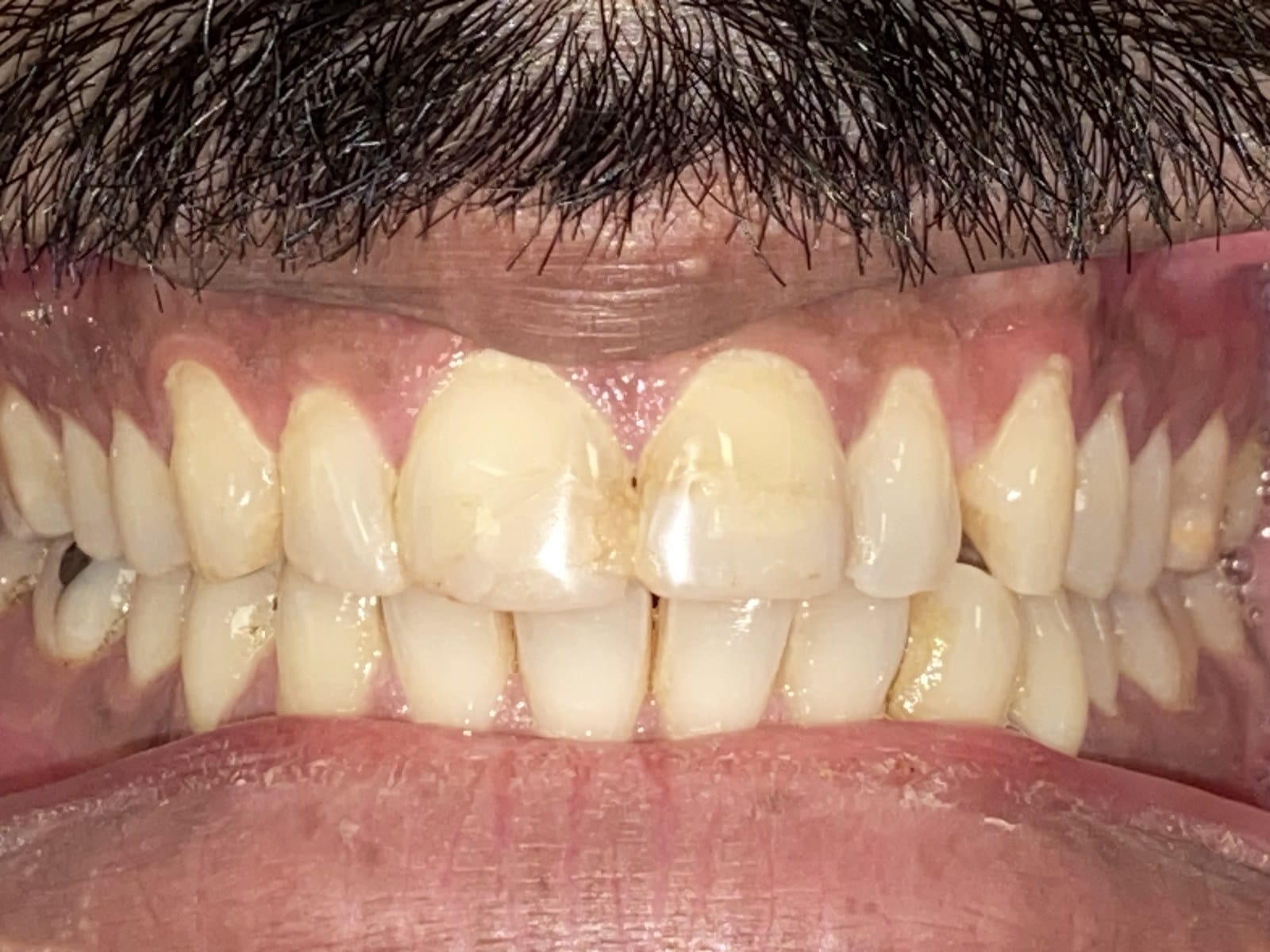
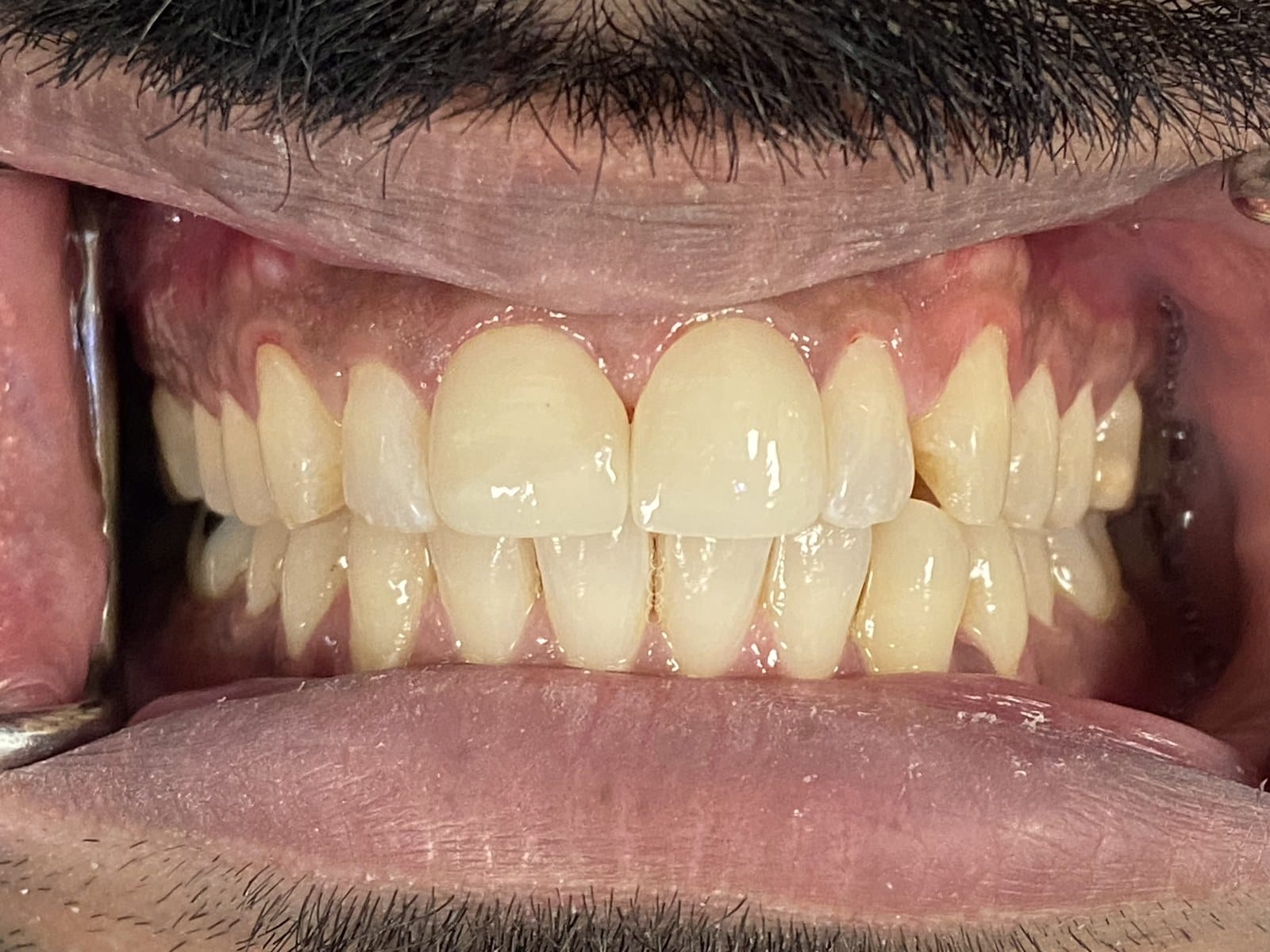
Two cases, side by side.
Whether they suit you
Four things have to be true, and this is what happens when they are not.
- 01
Good quality and quantity of enamel
Veneers bond to enamel and to nothing else. If it has been destroyed by decay, or is missing or defective from birth, a veneer may have nothing to hold on to.
- 02
Fair oral hygiene
The margin sits at the gum line, and a bonded restoration there asks to be kept clean. Without that, the margin is exactly where it fails, visibly.
- 03
A good bite
If the bite is not right they can fail, break or crack from overload. That is a mechanical problem, not a materials one, and no porcelain solves it.
- 04
All of your biting teeth present
The back teeth take the force. Without them most of your biting pressure lands on the front teeth, which is the quickest route to failure there is.
None of these is about wanting veneers. They are about whether a bonded shell has anything to hold on to, and they are checked before a mock-up is made.
If one of them is not true
You are told at the consultation
Not after the teeth have been prepared. Where veneers are the wrong answer the alternative is named instead: that is the whole reason the examination and the mock-up come before anything is cut.
Monday-Thursday & Saturday · 4:00-8:00 PM
Why prepare at all
Why cut the tooth at all if the shell goes on top?
Veneers are thin shells, but some cutting of the tooth is still required. The outermost surface of a tooth is not suitable for bonding a veneer to it for the long term. The preparation exposes the inner surface of the enamel, which bonds far better, and that bond is what makes a veneer last.
There is a second reason, at the incisal edge. Preparing the tooth gives the porcelain space, and it is that space the laboratory uses to build translucency into the veneer.
- How much is removed
- Enough to expose the inner surface of the enamel. Very little, compared with a crown.
- What decides it
- The accepted mock-up. The preparation follows a result you have already seen.
- Where the space matters most
- The incisal edge, that is where translucency is built.
Nine questions, in two halves.
What they are, and what they cost
5 questions01What are veneers?
Thin shells of porcelain bonded to the front surface of the teeth to enhance their appearance. You can compare it to a false nail, the biggest difference being that a false nail is disposable and a veneer is not.
02Are veneers worth it?
Ceramic veneers are the most aesthetic restoration in dentistry, and done correctly they can change a patient’s life. They also need very little preparation of the tooth compared with a crown. What they need is meticulous planning.
03How much do veneers cost in Karachi?
PKR 60,000 per tooth.
04How long does getting veneers take, step by step?
It starts at a consultation: the mouth and teeth are examined, an impression is taken and photographs are made in different poses. A mock-up is then built on models or photographs to show how the finished veneers will look, and shown to you at the next visit. That mock-up can also be transferred onto your own teeth as a trial. Once the plan is accepted the teeth are minimally prepared, an impression is taken and the case goes to the laboratory. At the next appointment the veneers are tried on and you accept them before they are fixed, a tedious and laborious process, and then the bite is checked and you are seen again about a week later.
05Do veneers ruin your teeth?
Some preparation of the tooth is needed, but very little compared with a crown. The reason any is needed at all is that the outermost surface of the tooth is not a good surface to bond to for the long term, the inner surface of the enamel bonds far better. A little space is also created at the biting edge so the veneer can be made translucent there.
Whether they suit you
4 questions01Can I have veneers?
Not everyone is suitable. You need good quality and quantity of enamel, fair oral hygiene, a good bite, and all of your biting teeth present. Veneers depend on the enamel to bond to, so if that is destroyed by decay or defective from birth they may not work. And if you do not have your biting molars, most of your biting pressure lands on your front teeth, which leads to failure.
02Why do you need to cut the tooth?
Although veneers are thin shells, some preparation is still required. The outermost surface of a tooth is not suitable for long-term bonding, the inner surface of enamel has to be exposed, and it bonds excellently. In some areas, such as the incisal edge, the preparation also creates the space that gives the veneer its translucency.
03Can veneers fix a chipped or broken front tooth?
They can. One of the cases here is exactly that: two central incisors damaged in a road accident, filled at the time, and later veneered because the patient was unhappy with how they looked. No root canal was needed. That patient recorded a video testimonial afterwards.
04Who is not suitable for veneers?
Four things are needed: good quality and quantity of enamel, fair oral hygiene, a good bite, and all of your biting teeth present. Veneers bond to enamel, so if it has been destroyed by decay or is missing or defective from birth, they may not work. If the bite is not right they can fail, break or crack from overload. And if the back teeth are missing, most of the biting pressure lands on the front teeth, which will also lead to failure.
Published work
Two peer-reviewed papers by Prof. Dr. Arshad Hasan.
On front-tooth aesthetics and trauma. Every entry links to its DOI.
- 012019Golden Proportion and Golden Standard Assessment of Maxillary Anterior Teeth Among Undergraduate StudentsJ. Pakistan Dental AssocView DOI
- 022023Comparison of two composite resin materials for splinting of dental luxation injuries: A double blind randomized controlled trialDental TraumatologyView DOI
See the mock-up first, then decide.
The examination, the photographs and the plan all come before anything is cut. If you do not like the mock-up, nothing has happened to your teeth.
Elsewhere
Where else his work shows up.
Workshops, talks, published work and the procedure videos, on the sites that carried them. Every link opens where it was published.
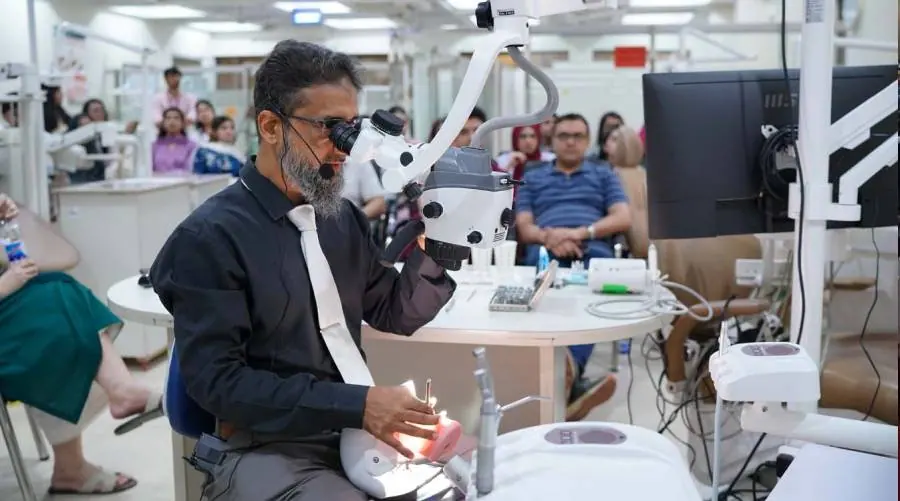 DentalNews.pk
Two-day workshop series on microscope-assisted endodontics, Lahore
Sept 2026
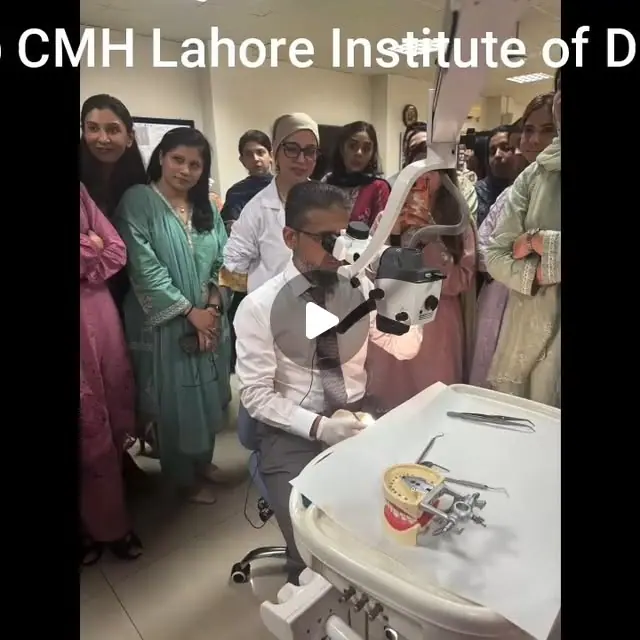 Instagram
Procedure videos and cases, in short form
Sept 2026
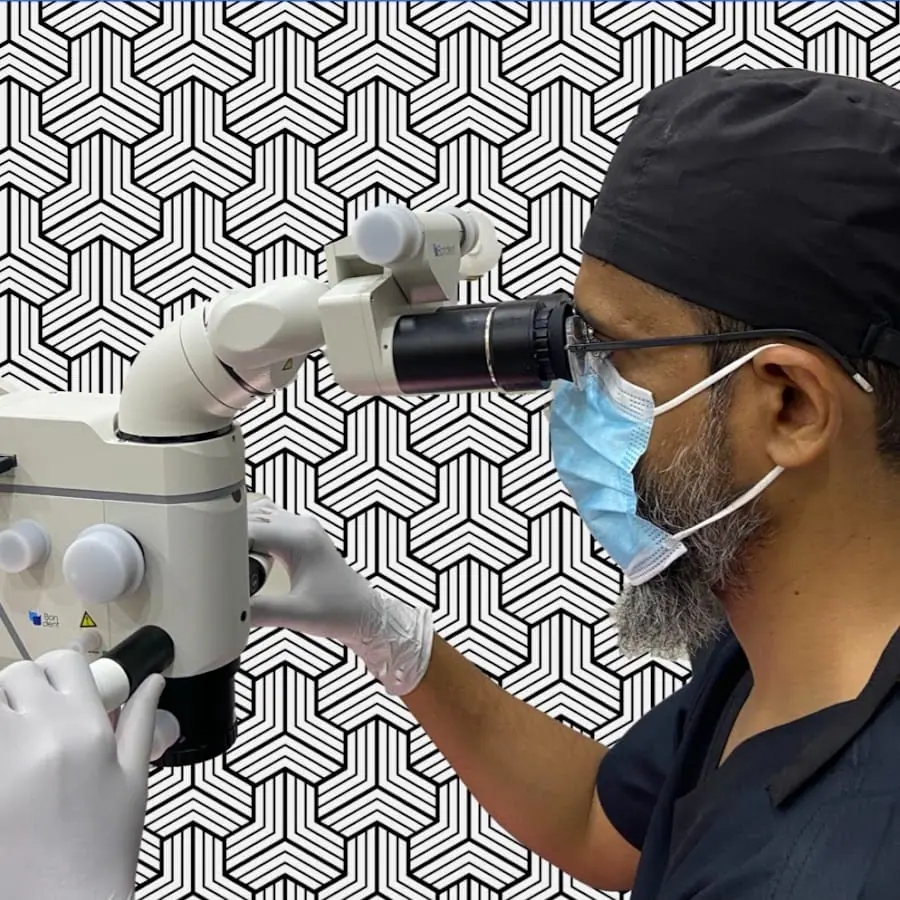 YouTube
26 procedure vlogs, with Urdu commentary
Jan 2026
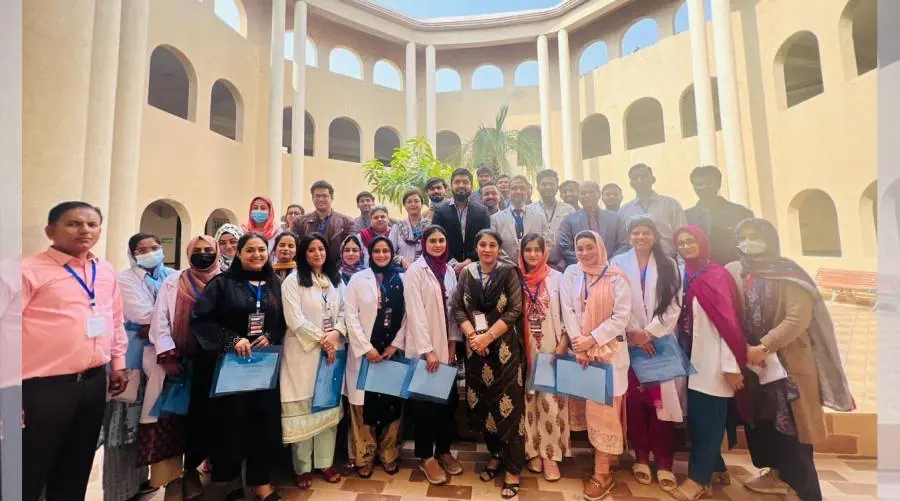 DentalNews.pk
Separated instrument retrieval workshop at LUMHS
Dec 2025
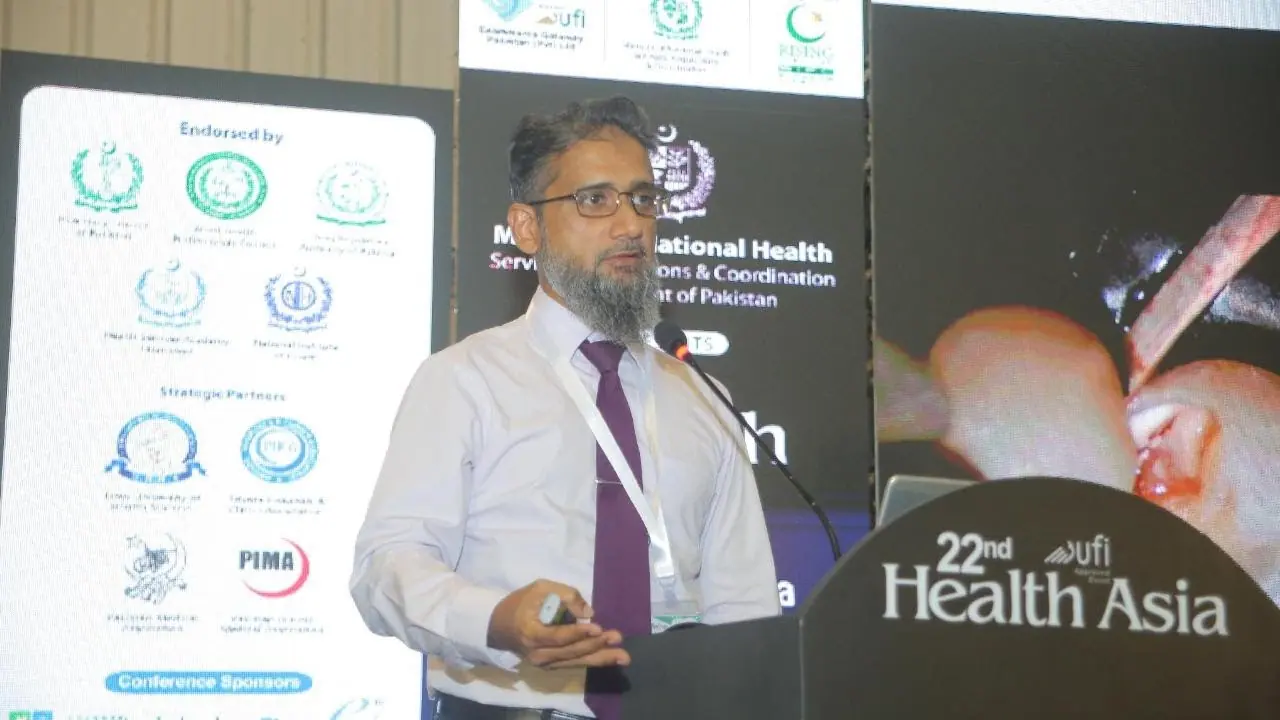 YouTube
Microscope Enhanced Restorative Dentistry, Dentech Asia, Karachi
Oct 2025
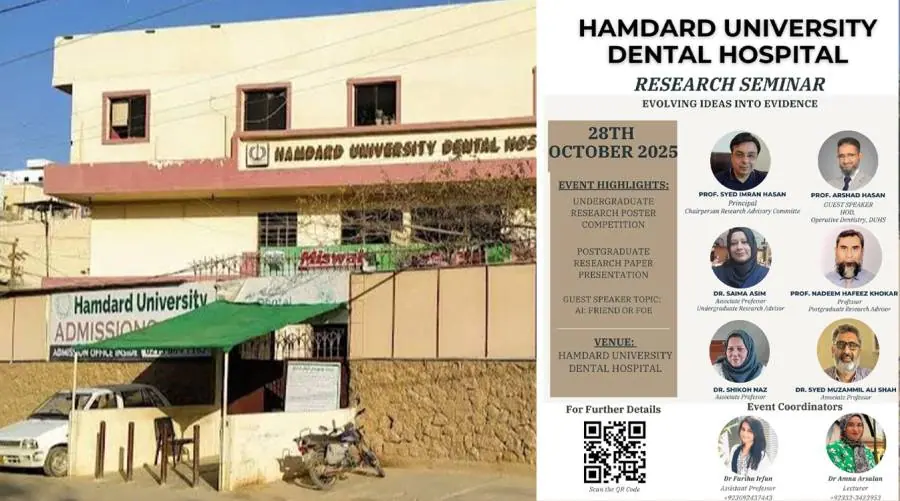 DentalNews.pk
Hamdard University Dental Hospital research seminar
Oct 2025
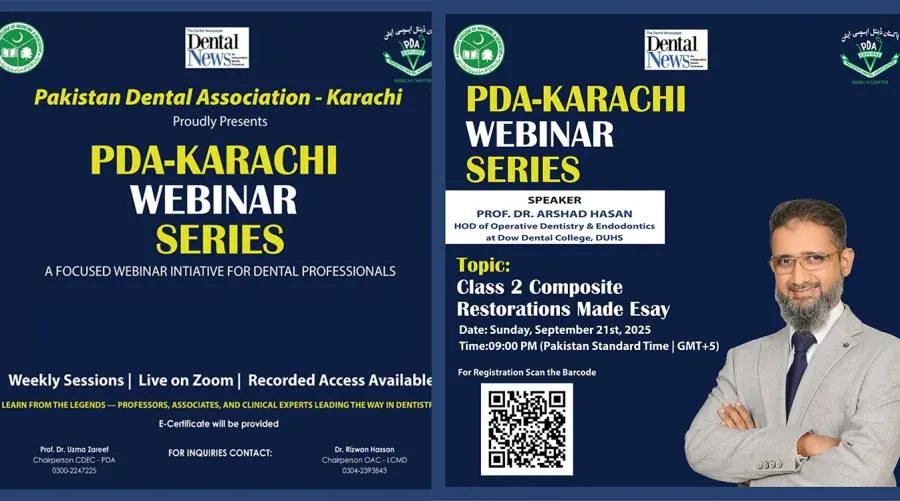 DentalNews.pk
PDA Karachi second webinar with Prof. Dr. Arshad Hasan
Sept 2025
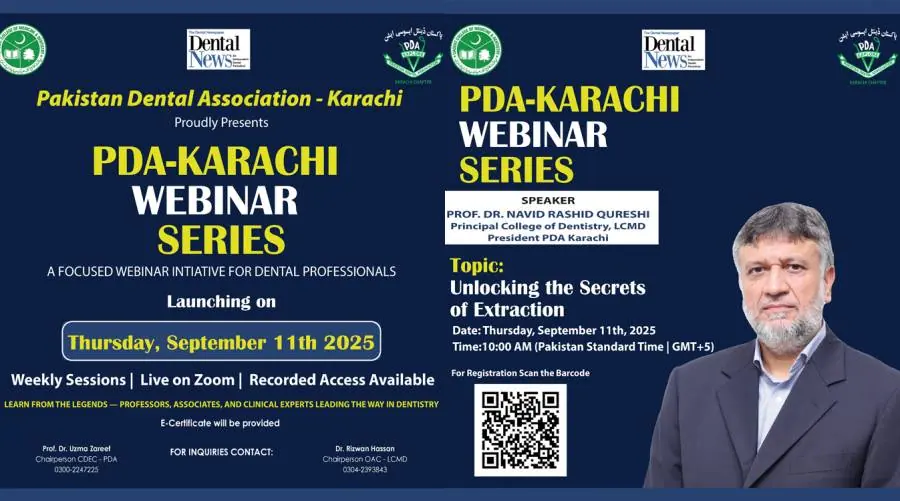 DentalNews.pk
PDA Karachi webinar series 2025
Sept 2025
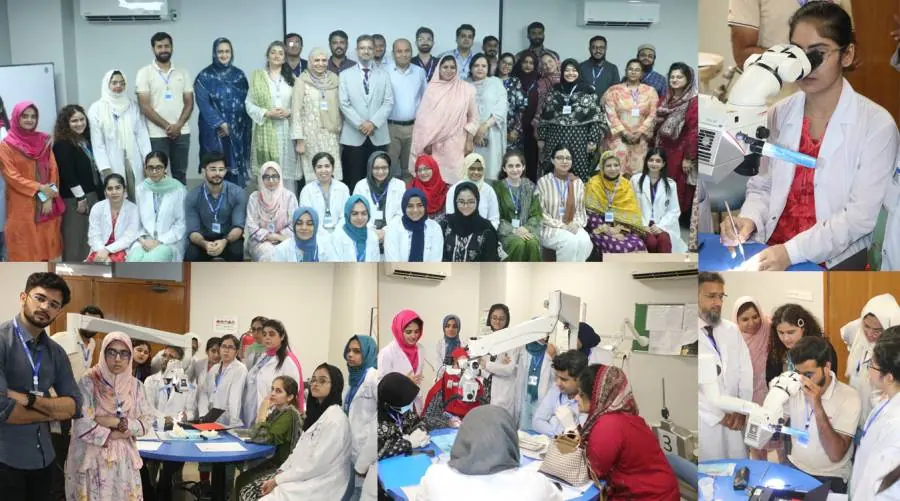 DentalNews.pk
Hands-on workshop at Dow Dental College on file removal
Jun 2025
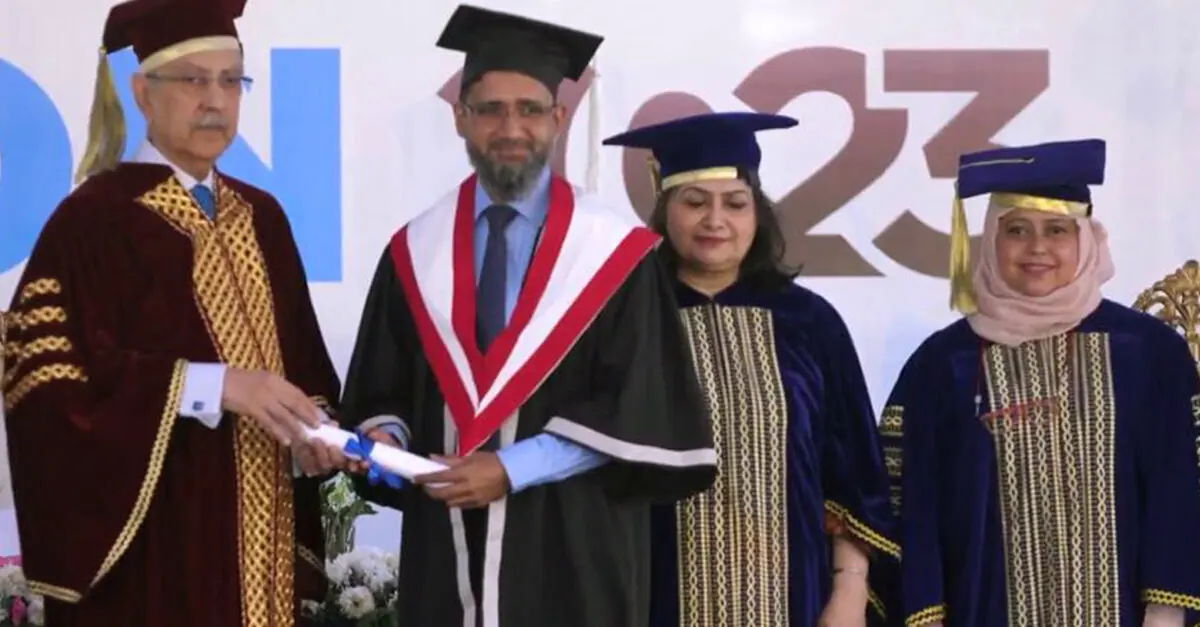 Dental Tribune
Prof. Dr. Arshad Hasan receives PhD in Operative Dentistry
Dec 2023