
Endodontics
An instrument broke inside the tooth. Has this happened to you?
More than fifty retrieved. Dentists across Pakistan refer these cases here.
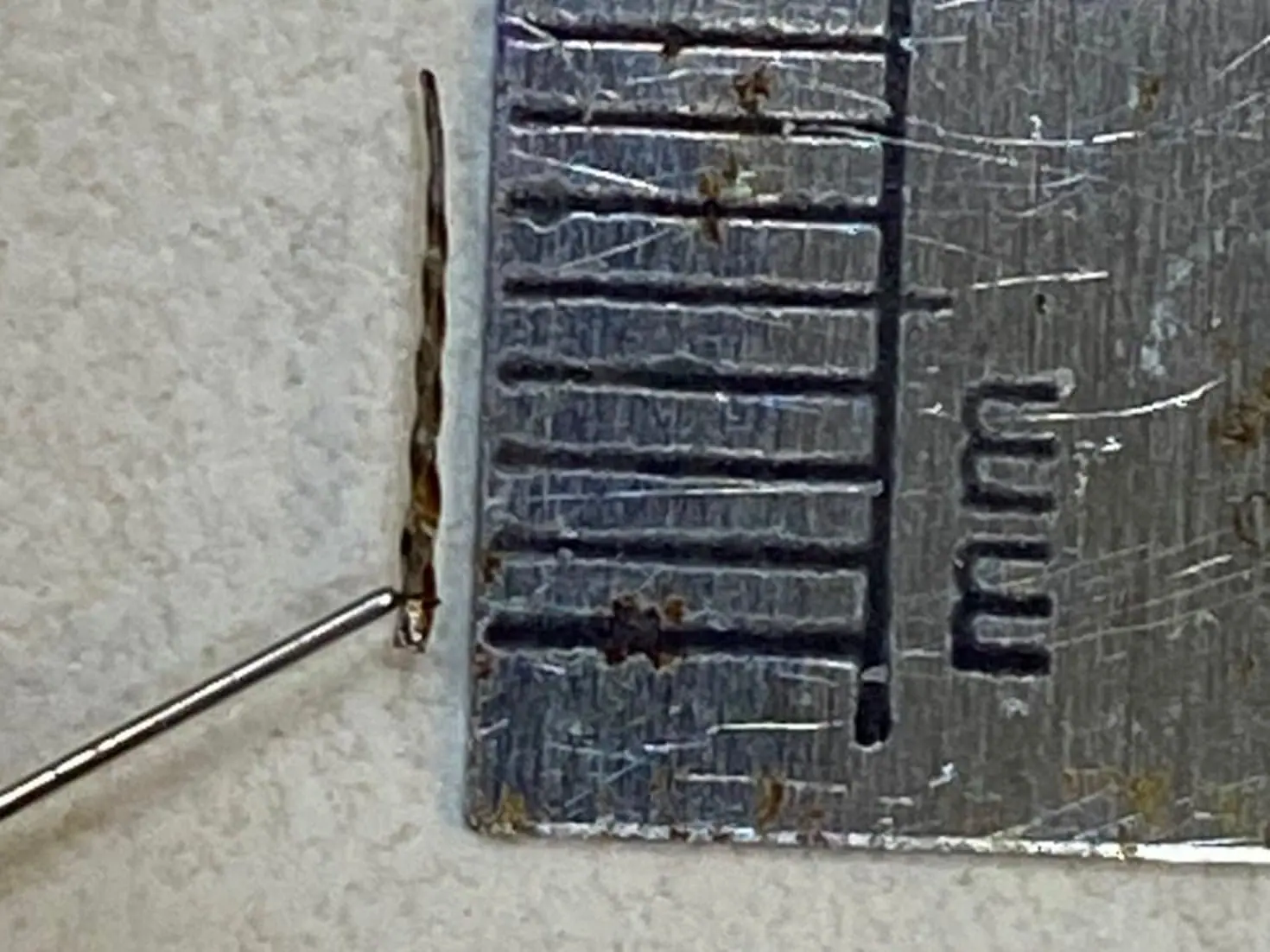 Came out
Broken instrument removal
PKR 20,000 – 60,000
The range is wide because the cases are. A fragment that came out, photographed against a millimetre rule, is on the left.
The metal is not the infection. It is what stops you reaching it.
A separated instrument is a piece of root canal cleaning instrument that has broken and lodged inside the canal. On its own it does not cause infection, because metal is inert. It is not poisoning the tooth and it is not the reason the tooth hurts.
It blocks any attempt to clean the canal completely of the bacteria causing the infection, chiefly by making it impossible to reach the full working length. So the instrument is either removed, or bypassed, so that the canal system can be cleaned.
These cases are not one procedure. They are a range.
Broken instrument removal is the most difficult procedure in dentistry, and how difficult depends on the fragment, the tooth and the mouth. Two real ends of that range are marked below.
A small file broken in the upper part of a canal, in a front tooth.
A long file broken in the mesial root of a second molar, in a patient with limited mouth opening.
The rail is drawn from those two examples to show the spread. It is not a measured scale, and no case can be placed on it from a description alone, a fair idea of whether a particular fragment is retrievable comes only after trying it at the first visit.
How it is taken out
Two extremely difficult cases, performed with different techniques.
Ultrasonics & Glue Technique
The method of the great Japanese endodontist Yoshi Terauchi, worked through the operating microscope at very high magnification.
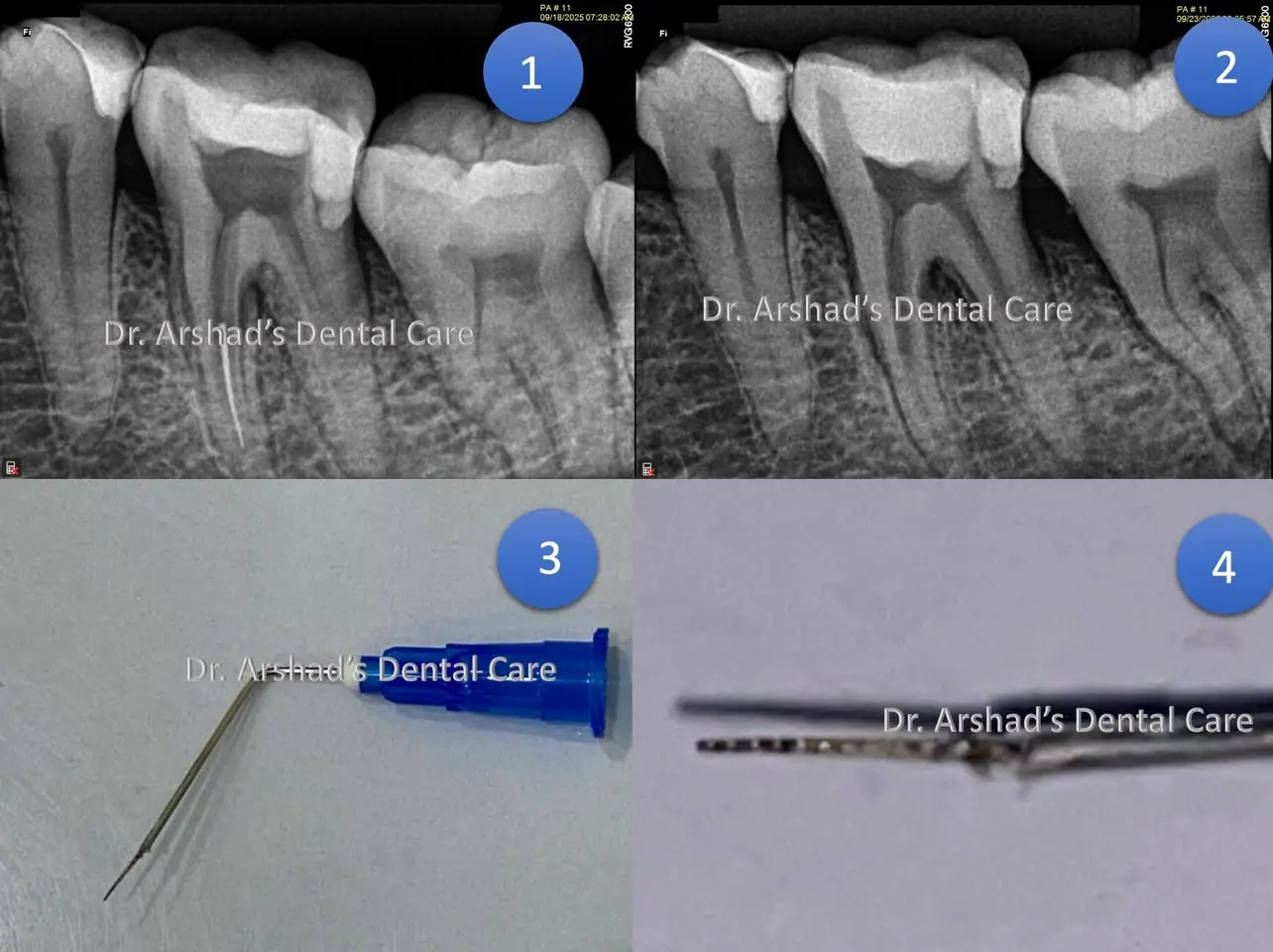
A BTR pen or loop device
Beyond the microscope a wide variety of equipment is kept, because these cases differ so much from one another that no single instrument covers them.
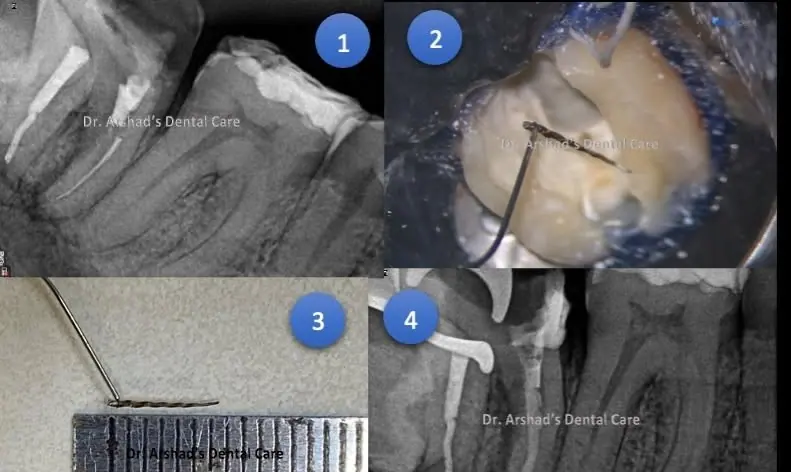
A clip from the retrieval
Out of the canal, under rubber dam.
Five years on
Treated in 2014. The case presented with a separated instrument and poorly filled canals. The instrument was removed and the tooth treated over multiple visits. After the root canal was completed and a crown fitted, the final X-ray shows a five-year follow-up with healing of the infection.
The filmsFor referring dentists
It happens to good dentists. Send the tooth.
- 01
Training
Trained in the retrieval itself, and in operating at the very high magnifications it requires.
- 02
Equipment
An operating microscope, ultrasonics, loop devices and much more, because the right instrument depends entirely on the fragment.
- 03
Experience
More than fifty retrieved to date. Workshops on the procedure are taught to other dentists.
Broken instrument removal is the most difficult procedure in dentistry. There is a passion for performing it here, and workshops in it are taught to other dentists.
What a referral means
- The referred tooth only
- Referred patients are treated for the referred tooth, and then returned to their own dentist. Nothing else is started and no other work is quoted.
- A verdict after the first visit
- A fair idea of whether a particular fragment is retrievable can only be given after trying it. That answer comes back to you.
- The tooth comes first
- There is always a risk and benefit analysis. Where the judgement is that the retrieval costs more tooth structure than it saves, it is abandoned rather than forced.
Monday-Thursday & Saturday · 4:00-8:00 PM
Common questions
Nine questions, split by who is asking.
A patient and a referring dentist are not asking the same thing about the same tooth.
If it happened to you
5 questions01What happens if a file breaks during a root canal?
A piece of the root canal cleaning instrument breaks off and lodges inside the canal. On its own it does not cause infection, because metal is inert. The problem is that it blocks any attempt to clean the canal completely of the bacteria causing the infection, chiefly by making it impossible to reach the full working length. So it is either removed, or bypassed.
02Is a broken file left in a tooth dangerous?
The metal itself is inert and does not cause infection. What it does is prevent the canal being cleaned properly along its whole length, and it is that unreachable, uncleaned portion that keeps an infection going.
03My dentist broke a file in my tooth, should I get a second opinion?
Dentists across Pakistan refer these cases here, which is the same thing as a second opinion arriving by referral. Broken instrument removal is the most difficult procedure in dentistry, and it is a specific interest here, workshops on it are taught to other dentists.
04Does removing the file make the tooth weak?
We make every effort to save tooth structure. But there is always a risk and benefit analysis: if we judge there is more risk to the structure of the tooth, we abandon the retrieval. That only arises in the difficult cases described above, where the approach is extremely hard.
05How much does broken file removal cost in Karachi?
PKR 20,000 to 60,000, depending on how complex the case is and how many visits it needs.
If you are the dentist
4 questions01Will the file come out easily?
Broken instrument removal is the most difficult procedure in dentistry, so nothing about it is easy. A fair idea of whether it can be retrieved can only be given after trying it in the first visit.
02What makes a case difficult or easy?
A small file broken in the upper part of a canal in a front tooth is fairly simple. A difficult case is a long file broken in the mesial root of a second molar, in a patient with limited mouth opening.
03Can a separated instrument actually be removed?
Yes, more than fifty have been retrieved here to date. It takes three things: training, equipment and experience. The method followed is that of the Japanese endodontist Yoshi Terauchi. An ultrasonic technique is used where the fragment is smaller; for longer fragments a BTR pen or another loop device is used.
04How many appointments does file retrieval take?
It varies enormously with the case. A long fragment can require several long appointments to get out. A fair idea of whether a particular one is retrievable can only be given after trying it at the first visit.
Bring the films and the tooth.
If a file broke during your root canal, bring whatever X-rays you were given. The first visit is where the retrieval is attempted, and it is the only honest place a verdict can come from.
Elsewhere
Where else his work shows up.
Workshops, talks, published work and the procedure videos, on the sites that carried them. Every link opens where it was published.
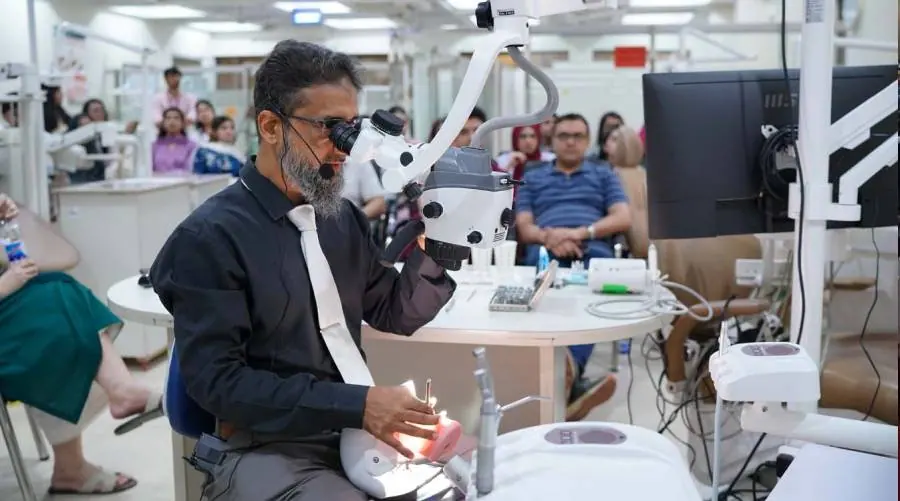 DentalNews.pk
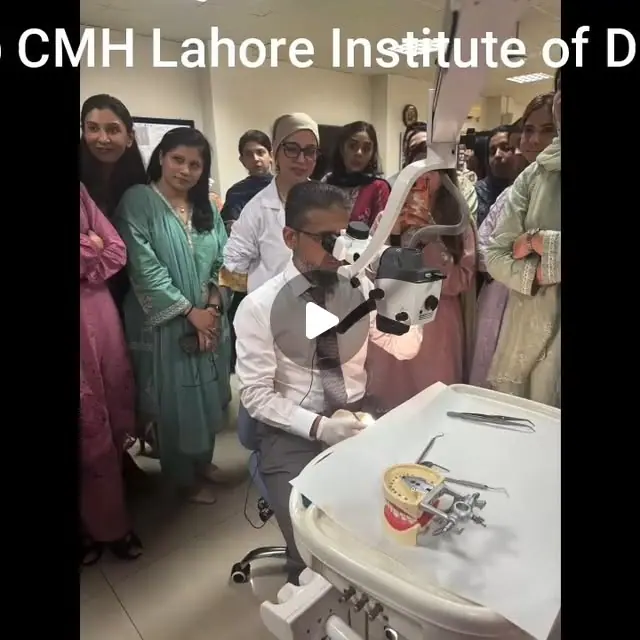
Two-day workshop series on microscope-assisted endodontics, Lahore
Sept 2026
 Instagram
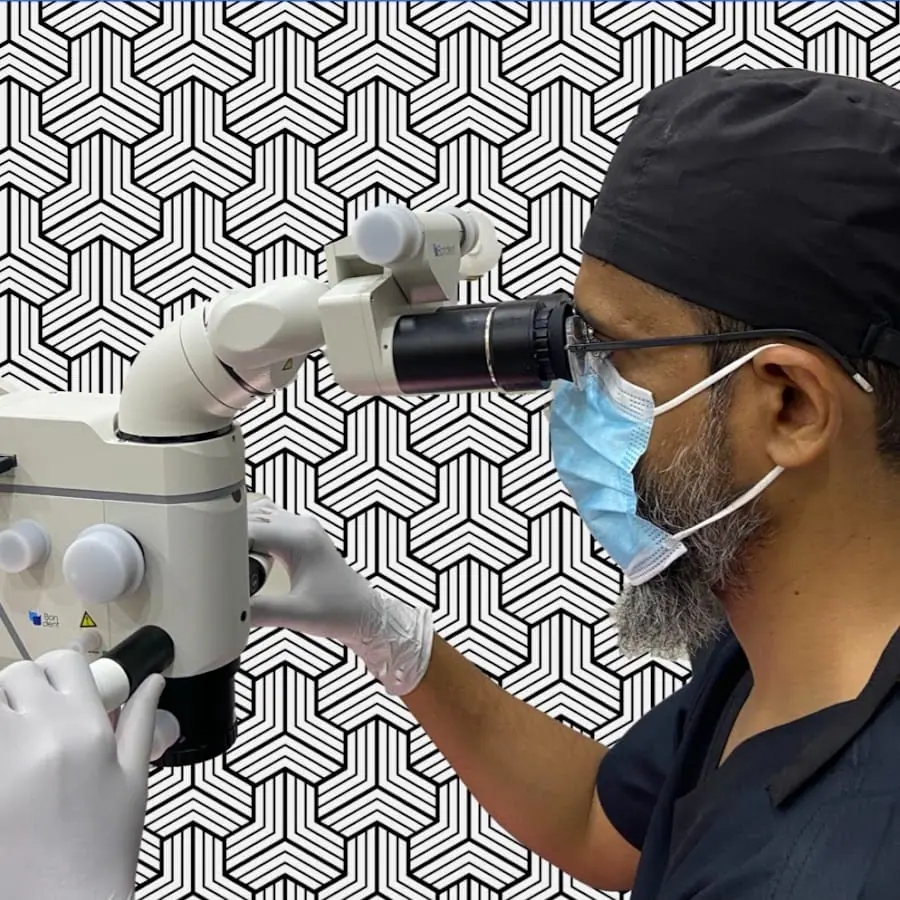
Procedure videos and cases, in short form
Sept 2026
 YouTube
26 procedure vlogs, with Urdu commentary
Jan 2026
 DentalNews.pk
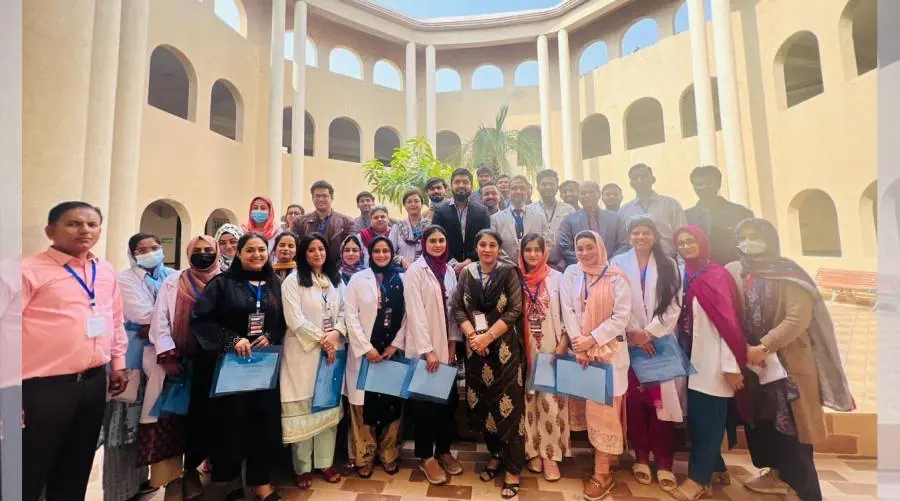
Separated instrument retrieval workshop at LUMHS
Dec 2025
 YouTube
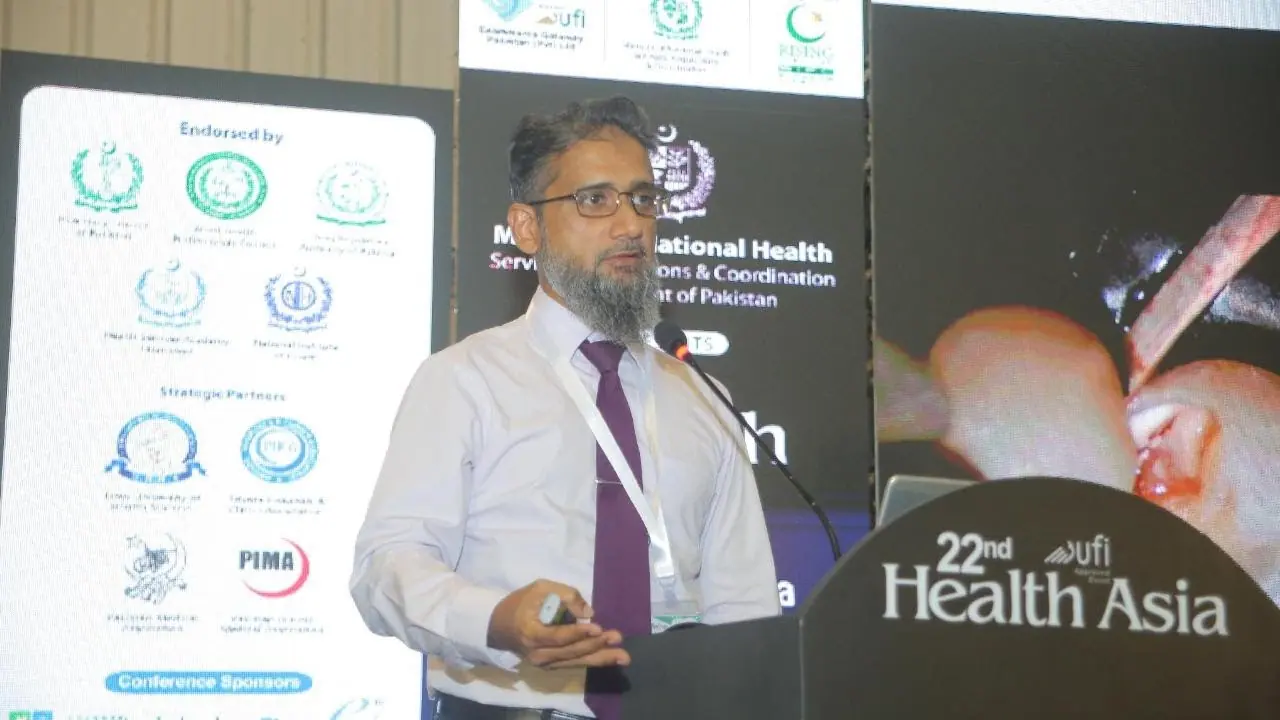
Microscope Enhanced Restorative Dentistry, Dentech Asia, Karachi
Oct 2025
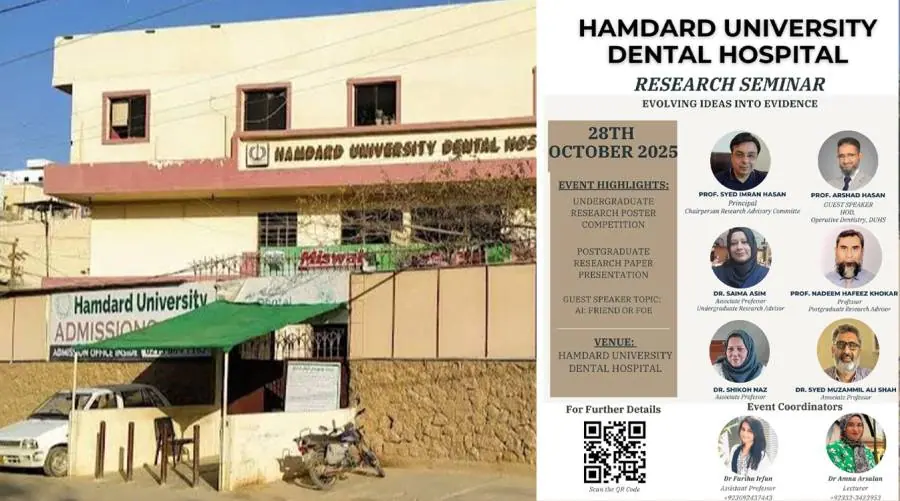 DentalNews.pk
Hamdard University Dental Hospital research seminar
Oct 2025
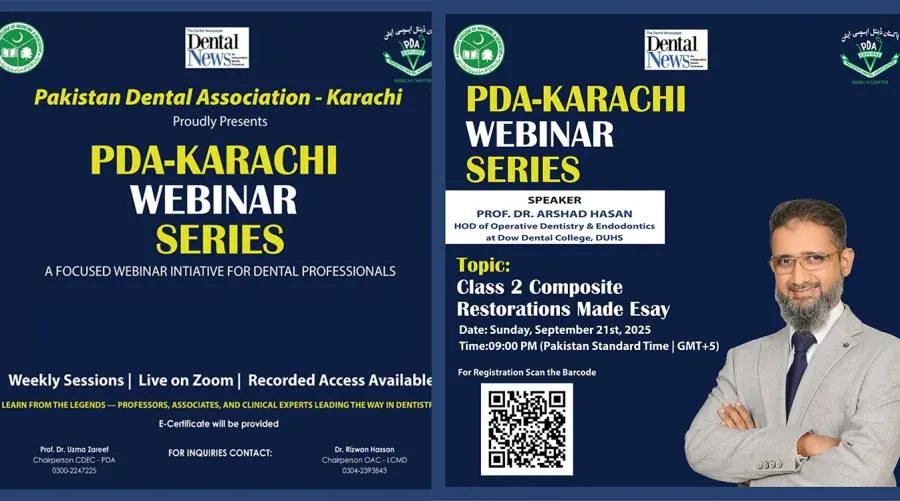 DentalNews.pk
PDA Karachi second webinar with Prof. Dr. Arshad Hasan
Sept 2025
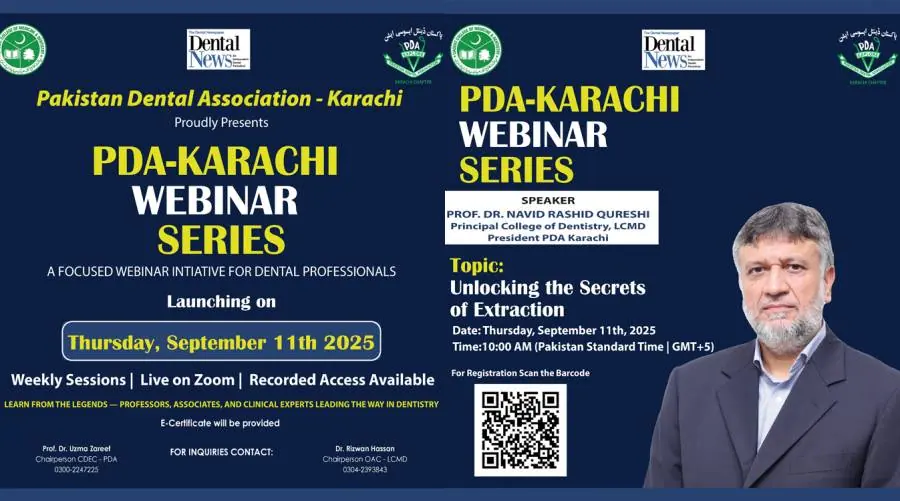 DentalNews.pk
PDA Karachi webinar series 2025
Sept 2025
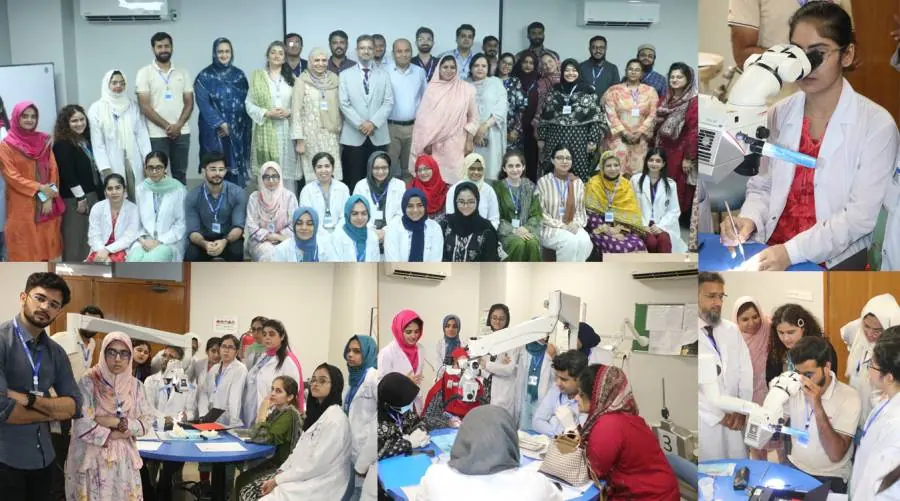 DentalNews.pk
Hands-on workshop at Dow Dental College on file removal
Jun 2025
 Dental Tribune
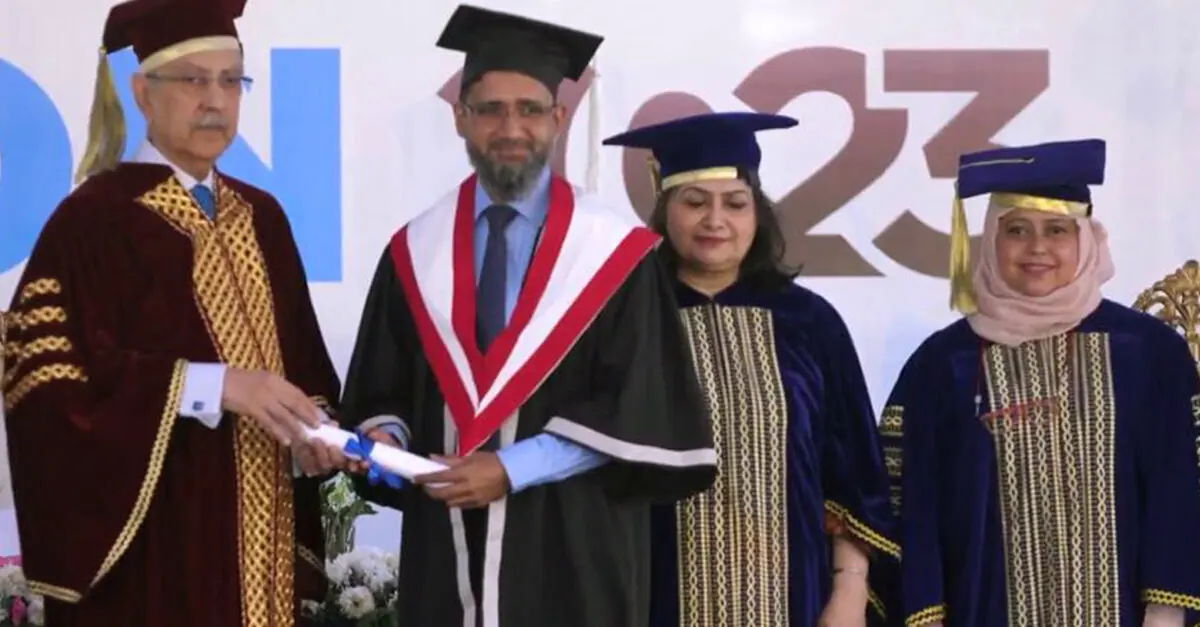
Prof. Dr. Arshad Hasan receives PhD in Operative Dentistry
Dec 2023