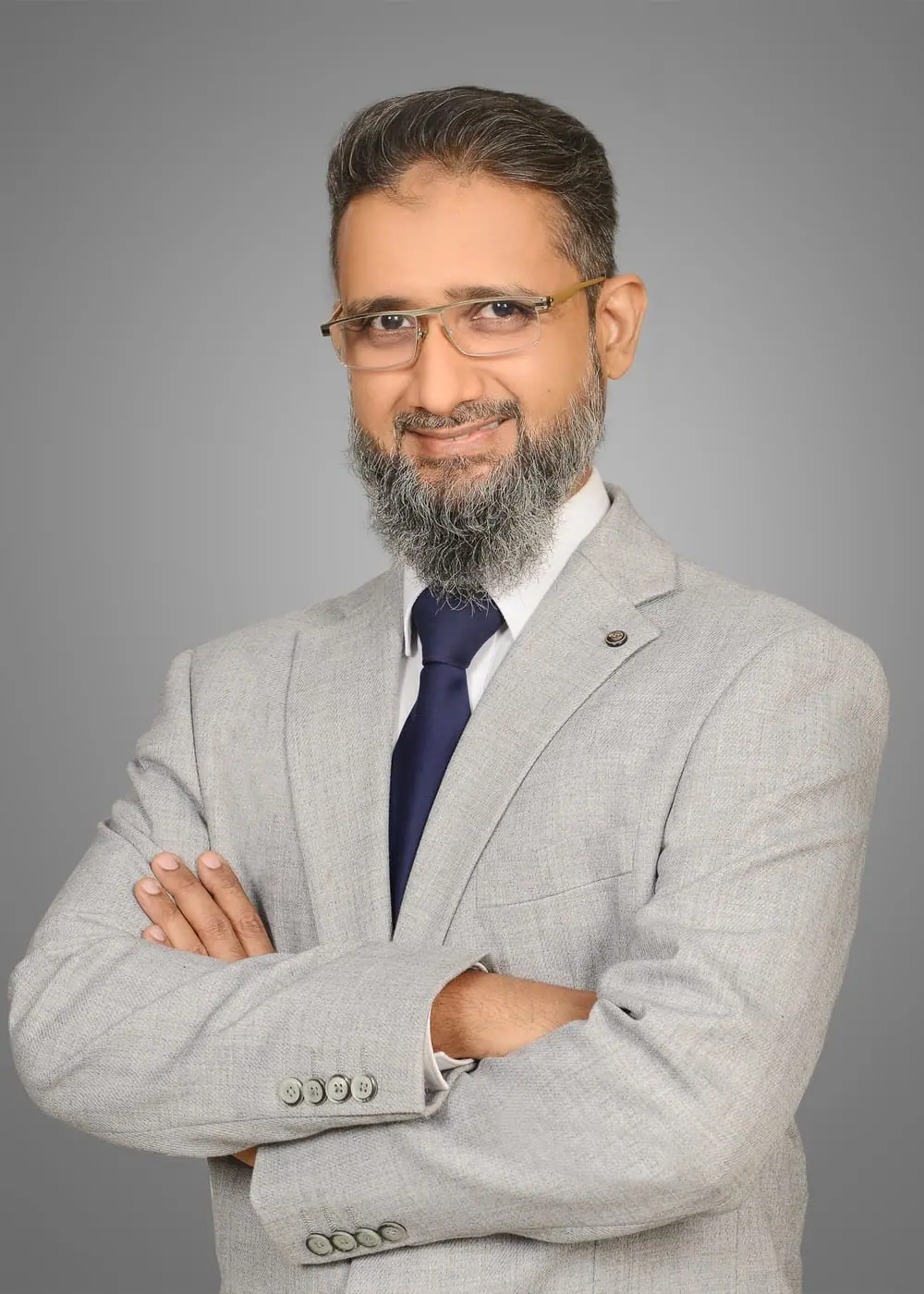
 BDS, FCPS, PhD
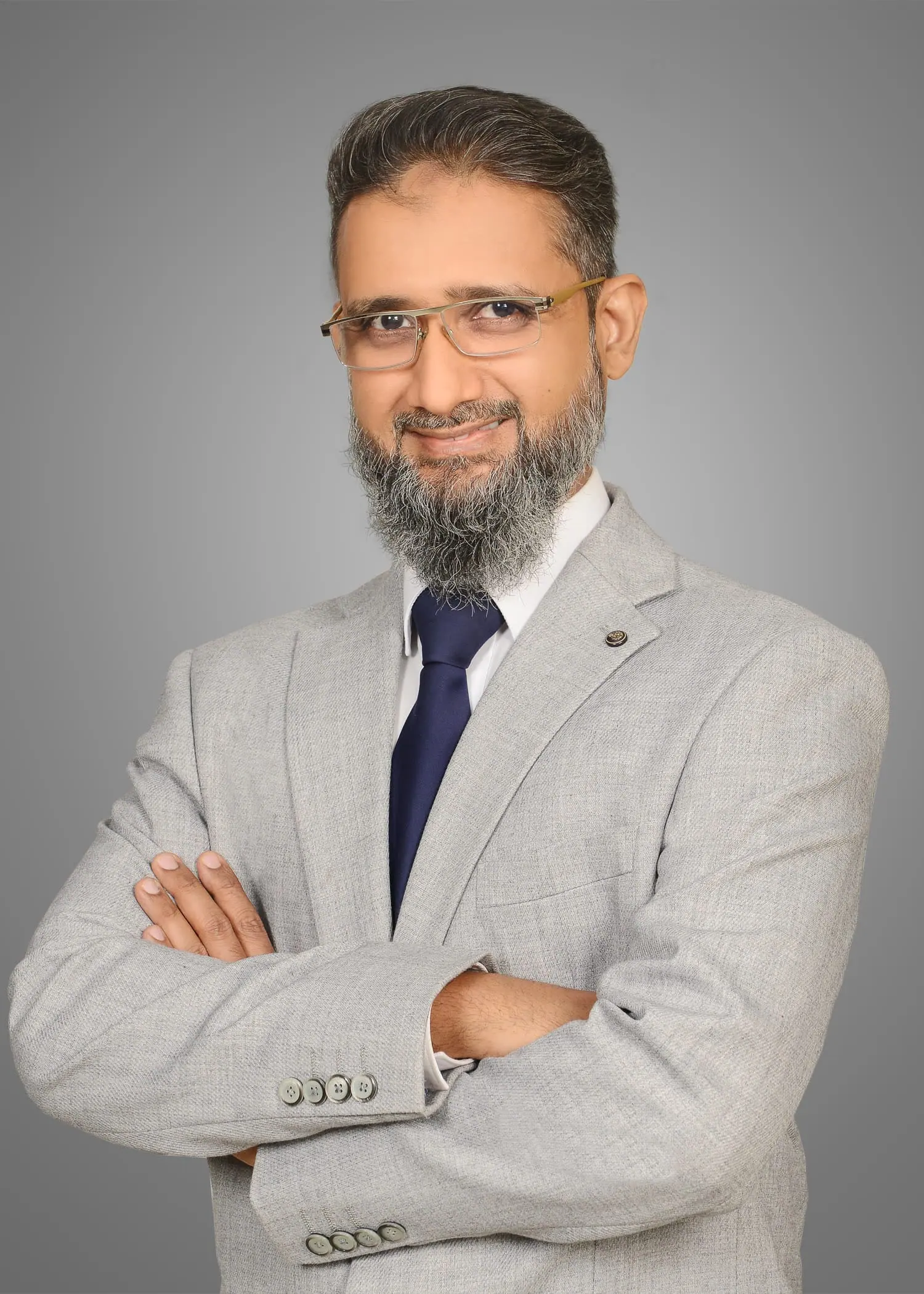
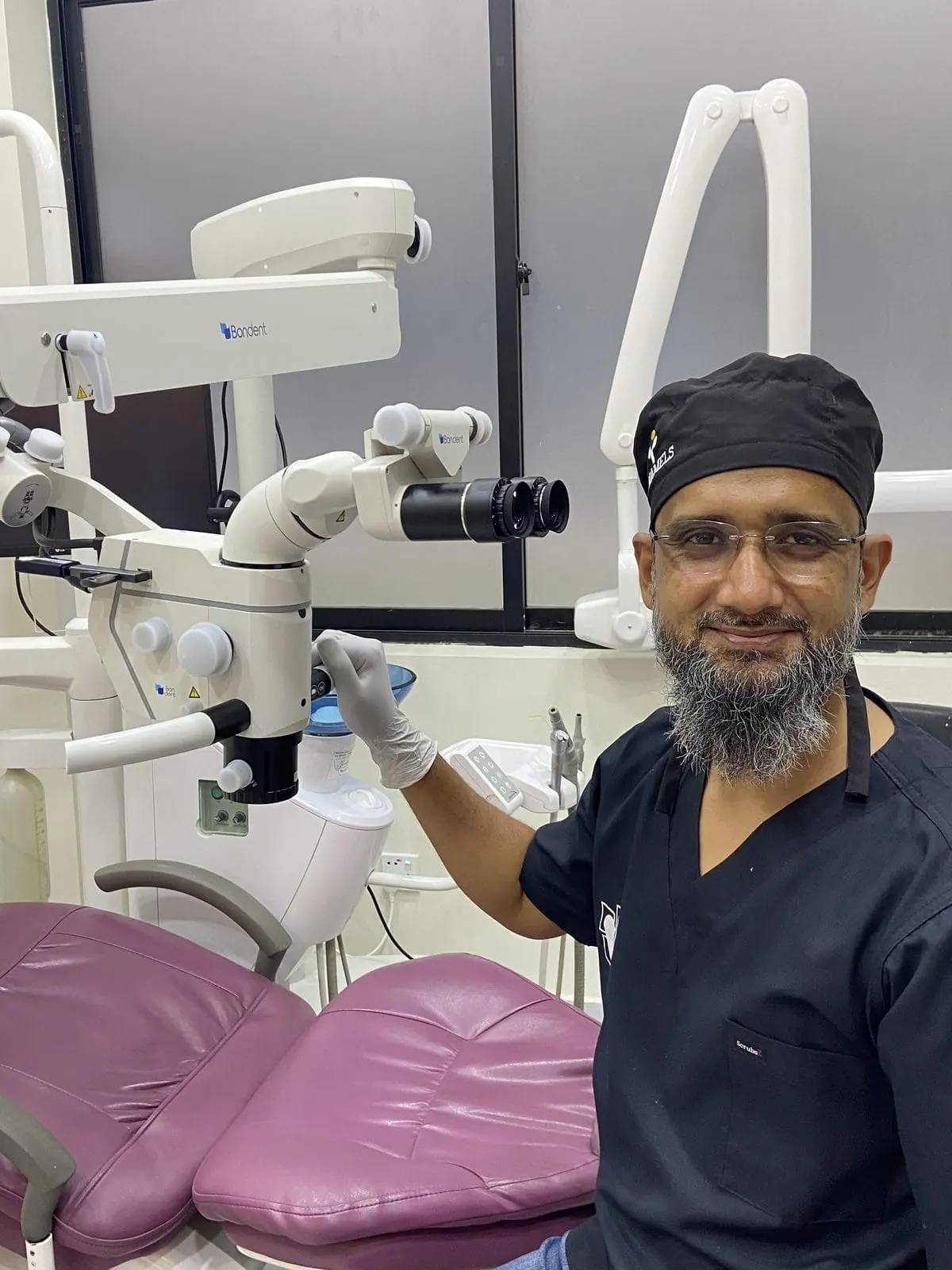
Prof. Dr. Arshad Hasan
Professor & Head of Operative Dentistry, Dow University of Health Sciences
Microscope Endodontics, Orthodontics and Implants — with Crowns, Veneers and everyday restorative care under one roof in DHA Phase 8, Karachi.
The person you booked is the person who treats you, start to finish.
Years in practice
25+
Among patients, I am known for my soft hands and painless dentistry.
What patients say
Every review below sits on the clinic’s public Google profile, unedited and unfiltered.
“It’s been almost a year and the whole process has been really smooth.”
Rayan, a patient of the clinic
Best dentist in town!
Waris AliLocal Guide · 21 reviews
Very competent Dr with very good quality services at reasonable rates. Highly recommended.
Tariq Aziz AwanLocal Guide · 44 reviews
He is really professional and he examine, diagnoses and treatment are really good. Highly recommended
Wahaj Khan3 reviews
Experienced and patients supporting doctor. Highly recommended to the new patients for their treatment
Zuhaib Ali Arain2 reviews
Alhamduliilah satisfied with the services, very skilled and highly professional person.
Mazhar Hussain5 reviews
Very experienced and humble person
Akram Arain1 review
Wonderful experience... Will visit again
Zimal Arshad1 review
Who will treat you
The person you booked is the person who treats you, start to finish.
See a doctorBDS, FCPS, PhDProfessor & Head of Operative Dentistry, Dow University of Health Sciences
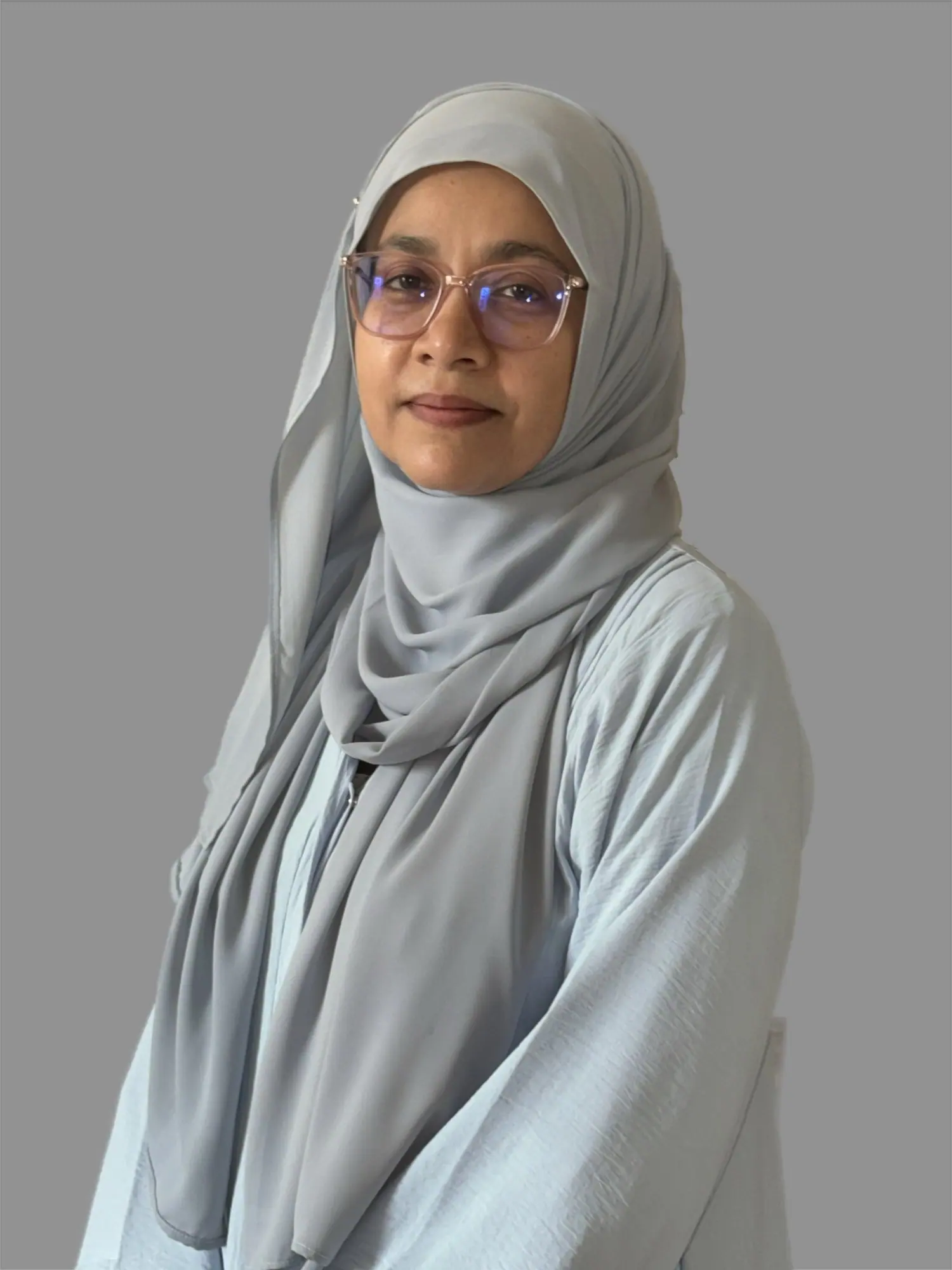 BDS, FCPS (Orthodontics)
Professor of Orthodontics, Bahria University Medical & Dental College
3,500
48,000
55,000
from 40,000
20,000-60,000
from 170,000
16,000
58,000
What we treat
Prices are given in writing before treatment begins. Instalments can be arranged, particularly for orthodontic and dental implant patients. Rates effective 2026.
Send us the X-ray60,000
from 10,000
from 15,000
30,000
325,000
180,000
350,000
17,000
Dr Tabassum Ahsan Qadeer · Orthodontist
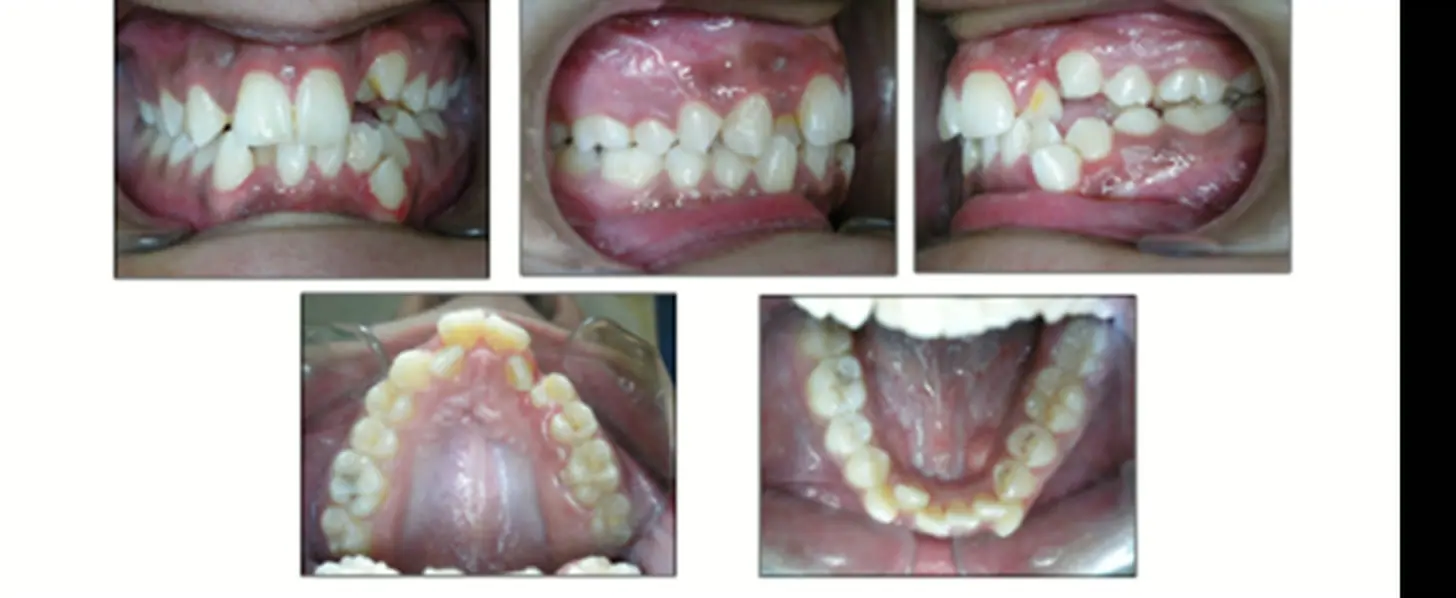
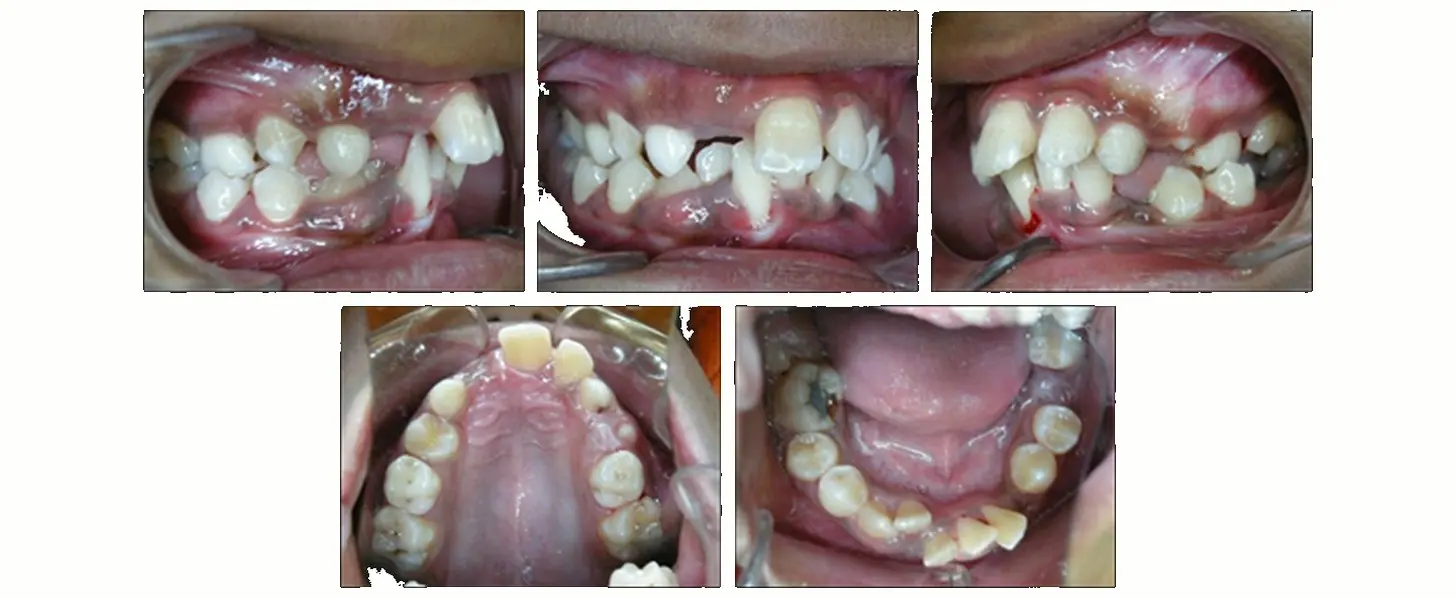
Both cases below are hers. Move across one to compare.
Ask about your case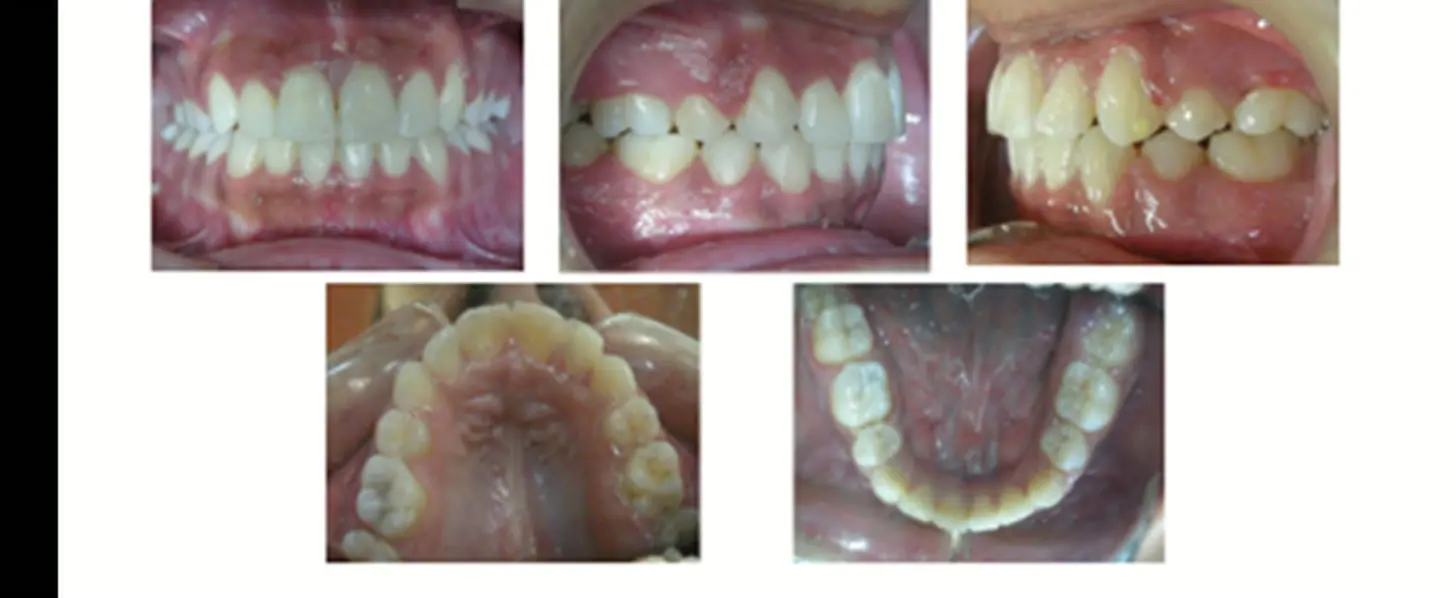 ThenNow
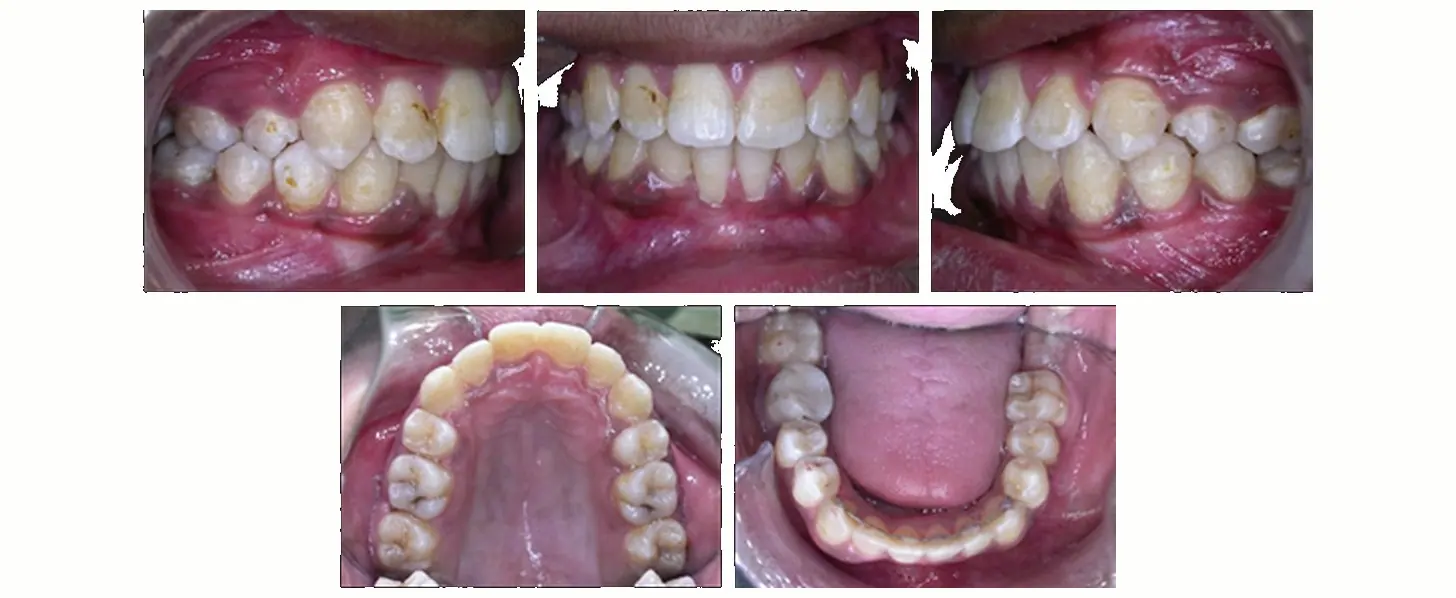 ThenNow
How we work differently
Root canal failures usually happen when the procedure is performed without proper isolation and magnification.
Send us the X-rayUp to 22‑24× magnification
A Carl Zeiss loupe as standard, and the operating microscope on selected cases, lit into the tooth. Canals are not missed.
The rubber dam, on every case
A standard of care in the developed world. Without it you cannot use the disinfectants that actually clean a canal.
Nine in ten, done in one visit
Patients are so comfortable that almost half of them fall asleep during the procedure.
The process
We look first
Examination, digital X-ray and diagnosis, explained clearly on the screen in front of you.
You get comfortable
Pain-free anaesthesia. Nothing starts until the tooth is fully numb, then the rubber dam goes on.
The canal is cleaned
Under magnification, all decay is removed and the canals are located, cleaned and shaped.
The tooth is sealed
The canals are filled to create a 3D seal, then a permanent filling restores the tooth.
Cases with infection, and some cases of root canal failure, are treated over more than one visit.
The clinic
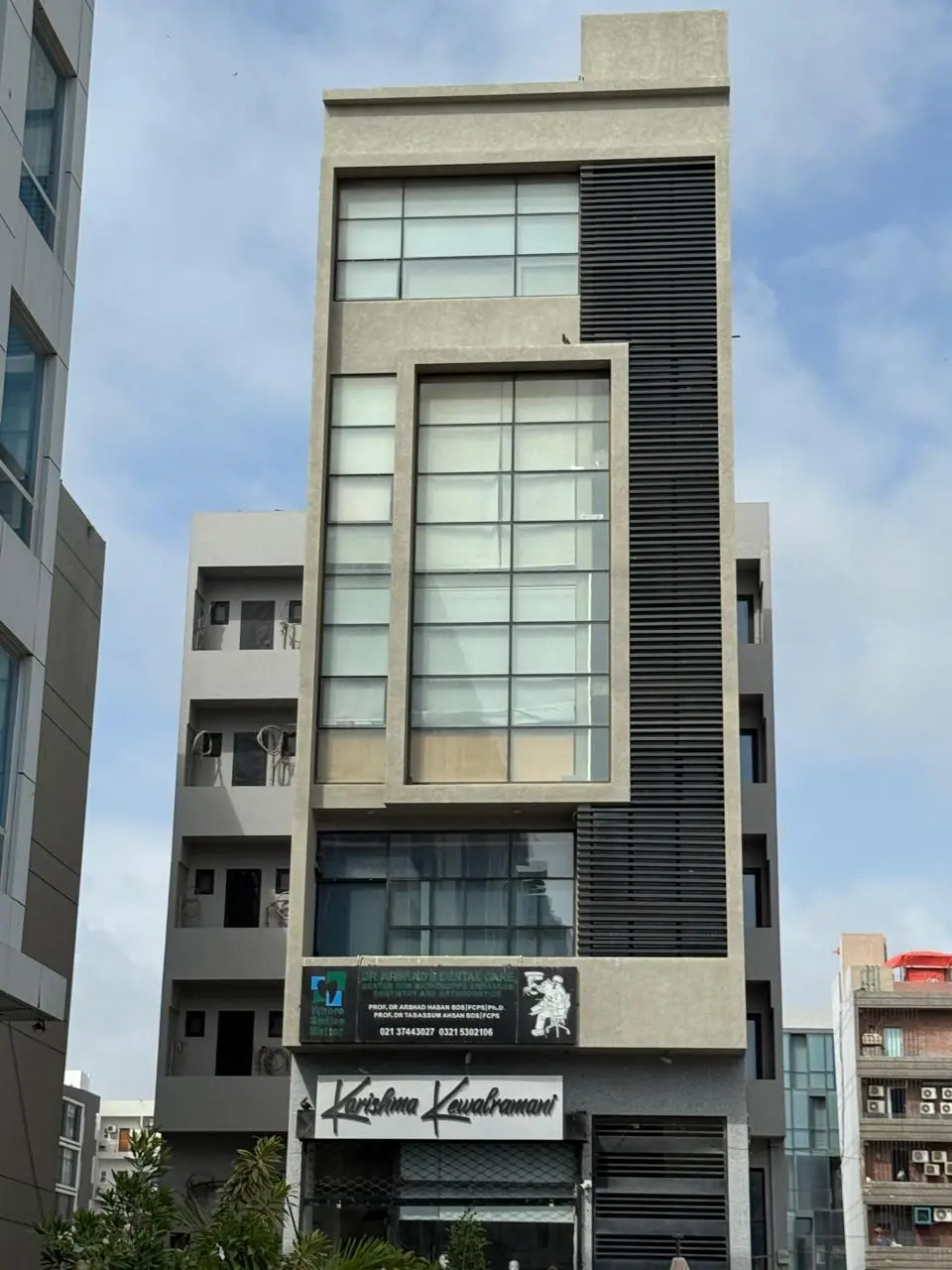
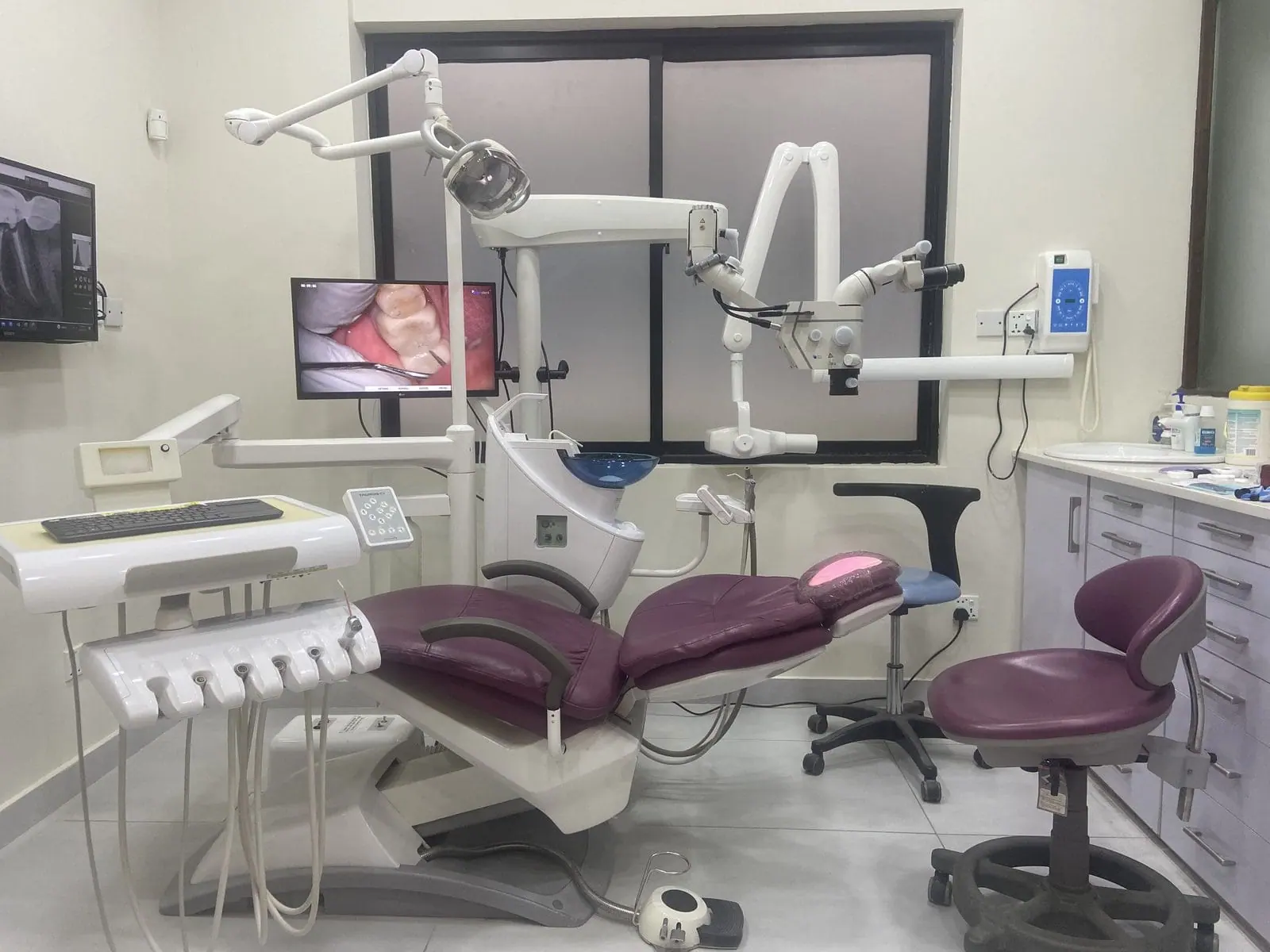
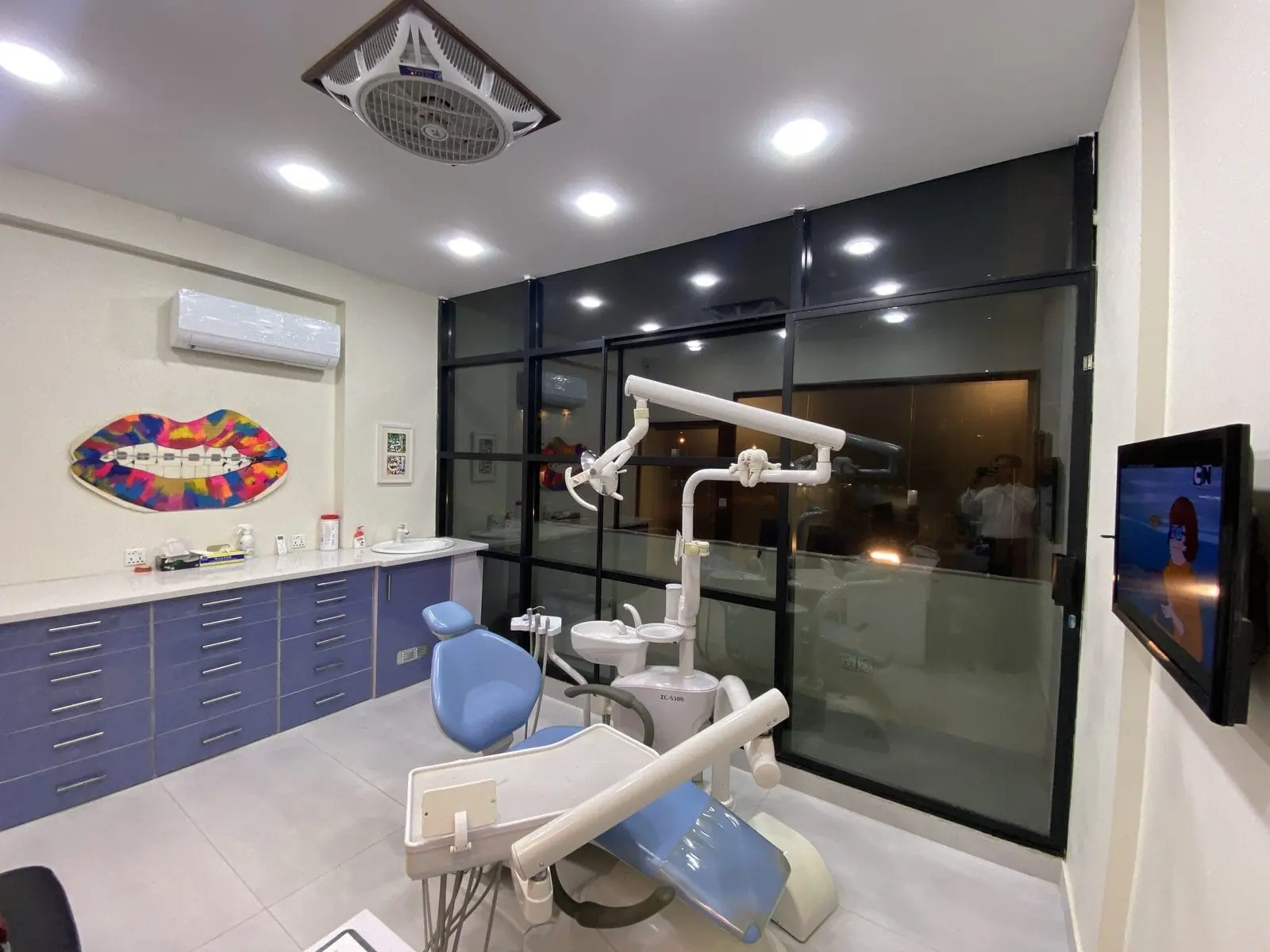
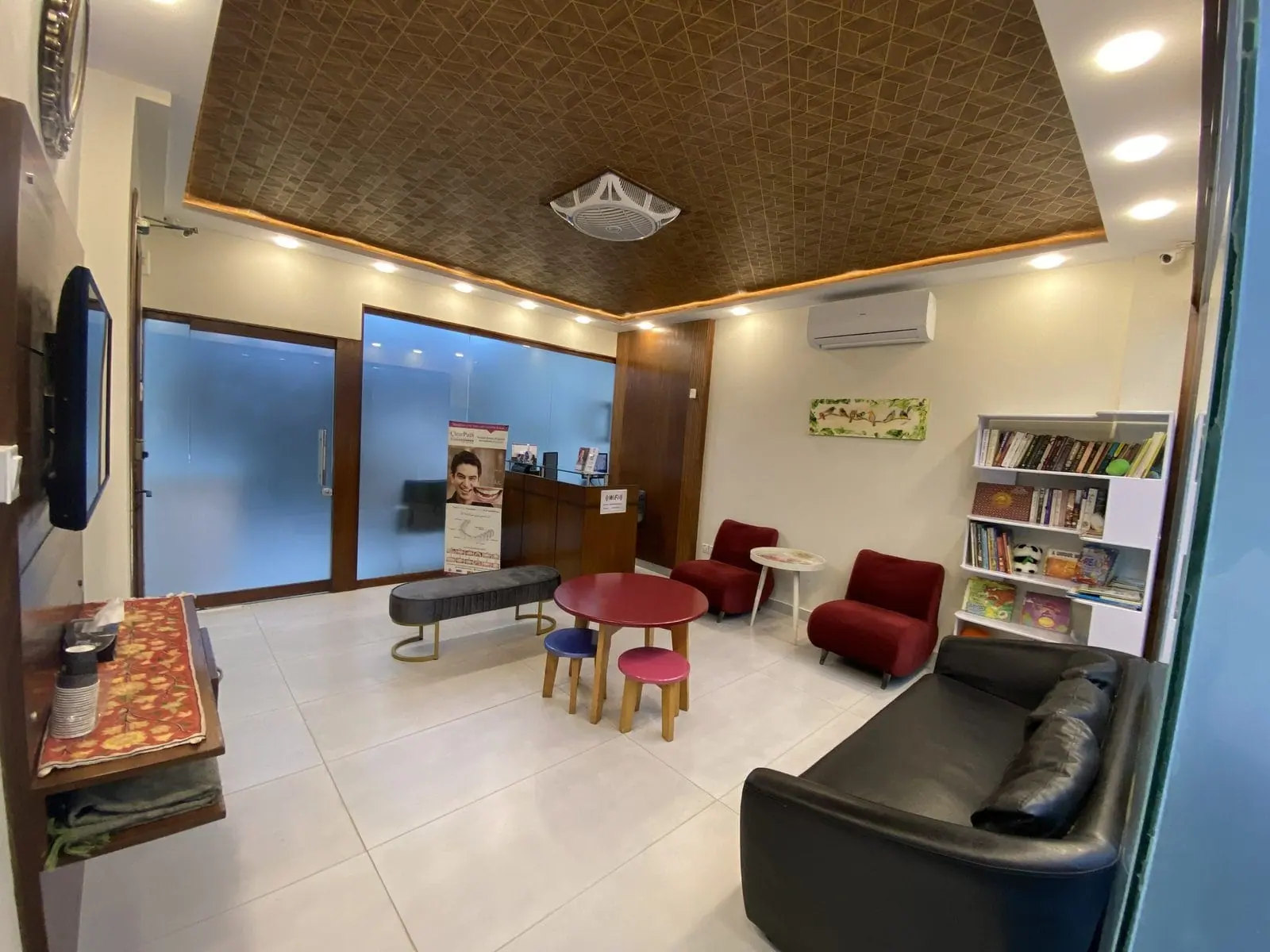
We moved in December 2023, into a building still under construction — which is how the operatories came to be designed around the microscope rather than fitted around a room.
Open in MapsThe microscope operatory at Al-Murtaza Commercial. Every operatory was laid out for microscope work before a wall went up.
Free parking
Directly outside. Zamzama had become a parking nightmare, which is part of why we left.
Purpose-built
Operatories laid out around the microscope, not fitted around an existing room.
Full sterilisation
A dedicated area. Instruments are cycled per patient.
One clinician
The person you booked is the person who treats you.
Monday-Thursday & Saturday · 4:00-8:00 PM · Ample free parking, with a designated free parking lot in the vicinity of the clinic
Before you book
The questions patients actually ask, answered in his words. Tap one to open it.
After local anaesthesia, there will be no discomfort. However, if you continue to feel unbearable pain we will either provide more anaesthesia or discontinue the procedure.
The dental pulp can undergo death without pain. Such teeth, if they require a filling, cannot be treated unless a root canal is done. It is like closing a lid on a steaming pressure cooker, it will cause immense pain if the tooth is not treated by a root canal.
Root canal failures usually happen when a procedure is performed without proper isolation and magnification. Also, if the operator does not have enough training and proper equipment, mistakes can happen that result in failure. Your dentist is a specialist in root canals with more than two decades of experience and uses the latest techniques.
If the dental pulp is either dead, or if it gets exposed during removal of decay, a root canal is indicated. Although in young individuals, under certain conditions, a procedure called vital pulp therapy can be performed for exposure of the dental pulp.
Decay is a combination of four factors, bacteria that consume carbohydrates, on a tooth surface, for a sufficient amount of time. Decay is a slow process and takes up to four years to show as a large cavity. It is possible you gave up sugar a year ago but the decay had already started. Carbohydrates are also present in modern diet without us knowing, and frequency of consumption is more damaging than a large quantity at one time.
The tooth can be saved as long as there is enough tooth structure and I can reach the full length of all root canals. The second point is especially important. The main cause of failure is short filling of the root canal by the first treating dentist, who may block the canal in such a way that it cannot be opened to full length.
It takes more visits to complete the procedure, more specialised equipment is needed to treat the tooth, and more materials are used compared with a conventional root canal procedure.
There are conditions that make an implant a relative contraindication. Uncontrolled diabetes makes the chances of failure extremely high. Gum disease loosens natural teeth, if it has loosened yours, imagine how quickly it will fail an implant if we do not treat the gum disease first. And with osteoporosis, the medication taken stops bone turnover, and the success of an implant depends on new bone forming around it.
Ideally it takes three months for a dental implant to heal. During these three months the bone forms around the implant and anchors it. After this the implant is ready for impression and fixing a tooth. Initial healing takes two weeks, no brushing or eating from that side during that time.
Ideally, a person needs one implant for each missing tooth. However, exceptions can be made on a case-to-case basis.
It generally takes around a year.
It is more pressure than pain. On a scale of one to ten, it should be about a two, a simple Panadol helps.
At the end of treatment you are given a retainer, which you wear for around nine months, that is the time the bone takes to form and consolidate around the teeth in their new position.
Braces are low-maintenance and the fastest way to reach your orthodontic goal. Aligners are for patients who don’t want visible braces, but they work for simple cases only, complex cases involving tooth extraction will not respond well to aligner treatment.
The case others turn away
The patient in the film, in his own words
The most difficult procedure in dentistry. Dentists across Pakistan refer these cases here.
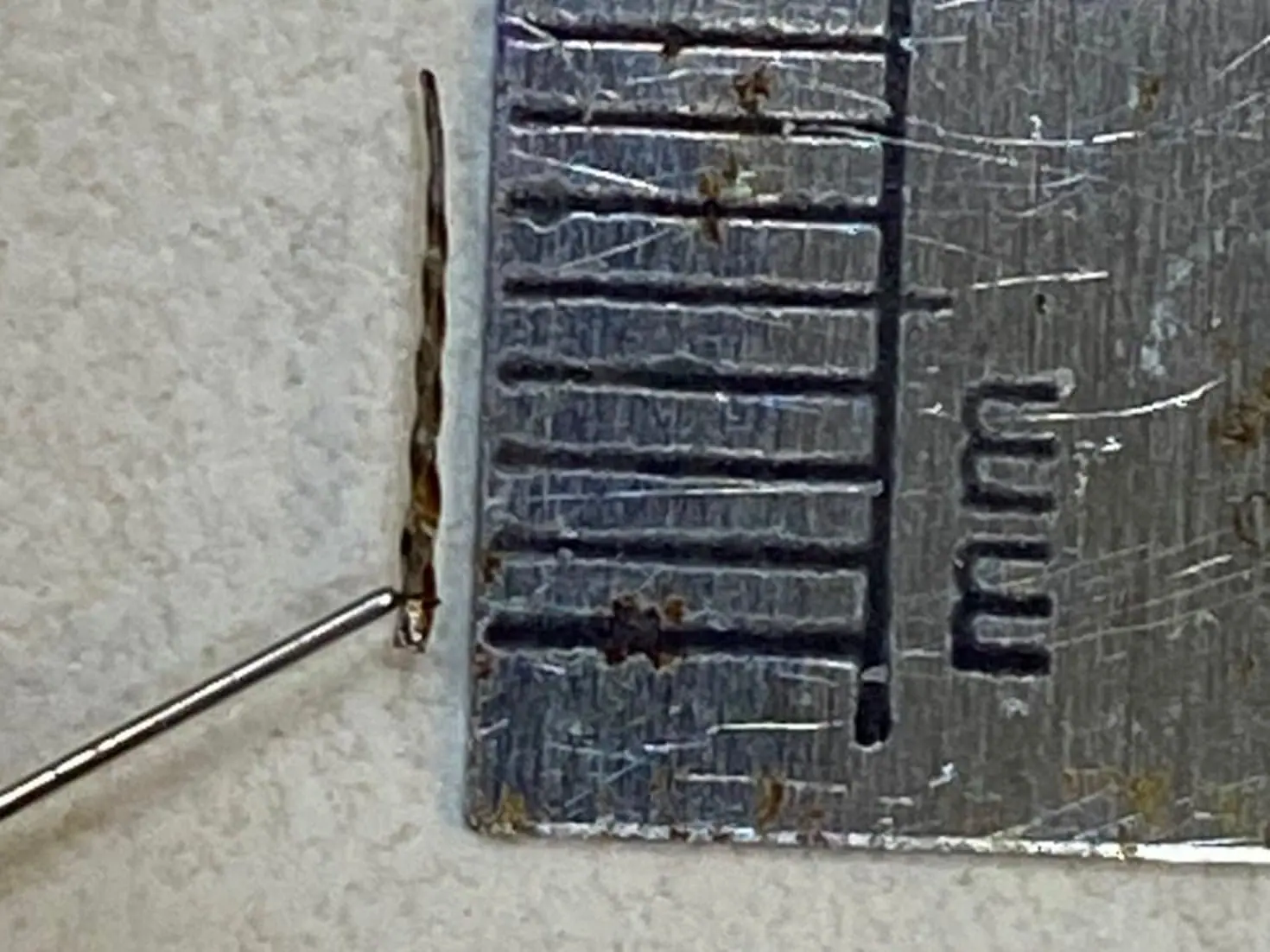
Visit us
For referring dentists
Many of the dentists Dr. Hasan has trained now refer their most difficult cases here. Referred patients are treated for the referred tooth only, then returned to their own dentist.
“We guarantee the return of the patient after treating that tooth only.”
A testimonial
Dr. Irfan Maqbool
Senior Endodontic Consultant, Islamabad